


Compreender o papel dos controladores de ecrã
3 de abril de 2026
No coração de qualquer ecrã incorporado de alto desempenho encontra-se um controlador que determina a eficiência com que os dados se transformam em informação útil. O controlador de ecrã adequado influencia o tempo de integração, o desempenho do sistema e a estabilidade do produto a longo prazo.
Para os engenheiros que desenvolvem dispositivos médicos, sistemas de controlo industrial, sistemas automóveis e outros equipamentos avançados, compreender este componente é fundamental para criar ecrãs que funcionem de forma fiável no terreno.
Neste artigo:
- Noções básicas sobre controladores de ecrã
- Como funcionam os controladores de ecrã
- Aplicações dos controladores de ecrã por tecnologia
- Aplicações no mundo real e casos de utilização na indústria
- Escolher o controlador de ecrã adequado
- Soluções de visualização personalizadas com controladores integrados
- Tendências e inovações nos controladores de ecrã
- Desafios comuns e como superá-los
- Diferença entre um condutor e um controlador
- Nehwaven Display: O seu parceiro em soluções de ecrãs e controladores
Noções básicas sobre controladores de ecrã
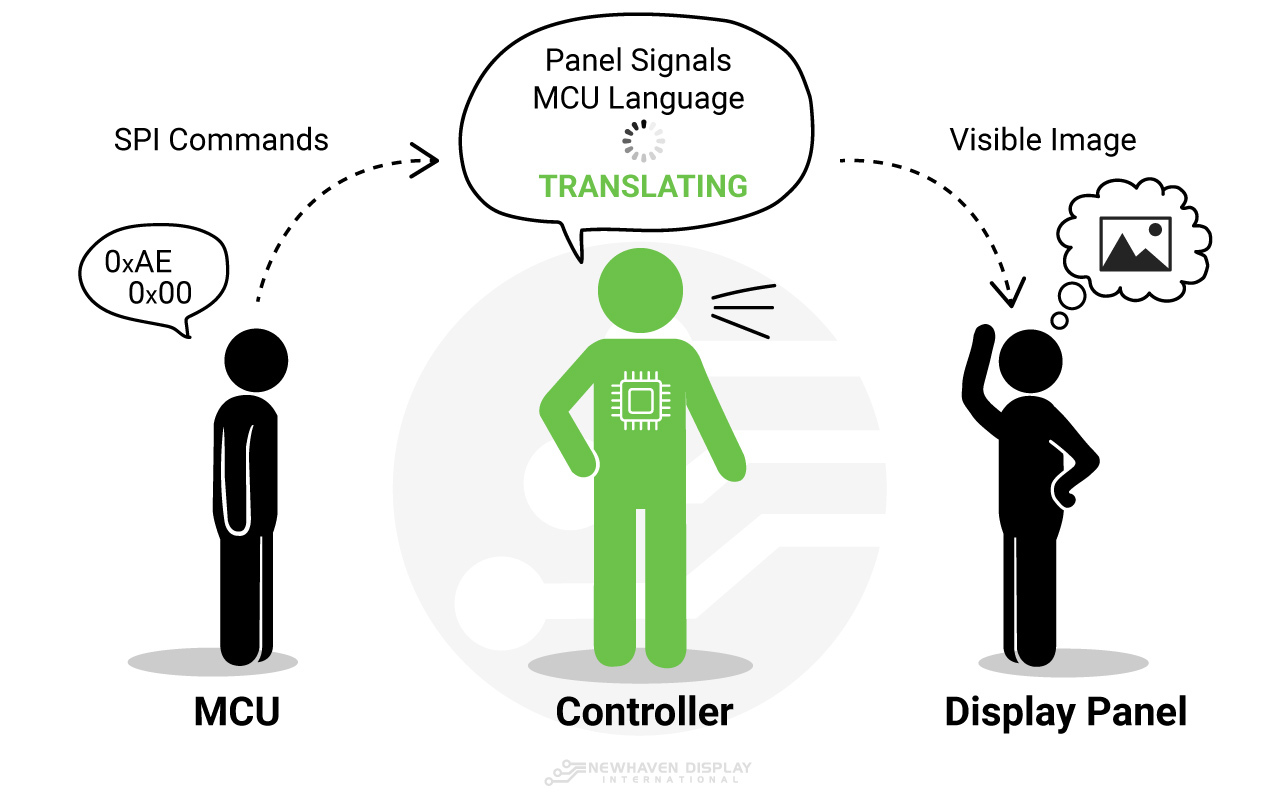
Um controlador de ecrã gere o fluxo de dados entre o processador do seu sistema e o painel do ecrã. Recebe os dados de imagem gerados pela unidade microcontroladora (MCU) ou pela unidade microprocessadora (MPU) e converte-os nos formatos de sinal e na sincronização precisos necessários para controlar os píxeis.
Isto inclui a gestão da memória de quadros, a temporização de atualização e a comunicação através de interfaces como SPI, I2C, RGB, LVDS ou MIPI DSI. Sem um controlador, o processador principal teria de gerir diretamente estas tarefas de baixo nível relacionadas com o ecrã, aumentando a complexidade do firmware e a carga de processamento.
Os requisitos do controlador variam consoante a resolução, a profundidade de cor e a tecnologia do ecrã. Um pequeno LCD de caracteres requer muito menos capacidade de processamento do que um ecrã gráfico de alta resolução, como um TFT ou um OLED a cores. A seleção do controlador adequado numa fase inicial do processo de conceção contribui para um desempenho estável e uma integração mais harmoniosa do sistema.
Como funcionam os controladores de ecrã
Os controladores de ecrã funcionam como motores de visualização dedicados no âmbito da arquitetura de um sistema.
Em vez de exigir que a MCU ou a MPU gerem as atualizações contínuas dos píxeis, o controlador gere a saída do ecrã de forma independente após receber dados de imagem ou comandos. Isto permite que o processador se concentre nas tarefas essenciais do sistema, enquanto o controlador mantém um desempenho estável do ecrã.
À medida que a resolução e a profundidade de cor aumentam, esta separação torna-se mais importante. A externalização da gestão do ecrã permite gráficos mais fluidos, um desempenho mais previsível e uma utilização mais eficiente dos recursos de processamento.
Aplicações dos controladores de ecrã por tecnologia
As diferentes tecnologias de visualização impõem requisitos diferentes ao design do controlador. A capacidade de processamento, a dimensão da memória e escolha da interface dependem todas do tipo de painel utilizado.
Módulos LCD de caracteres
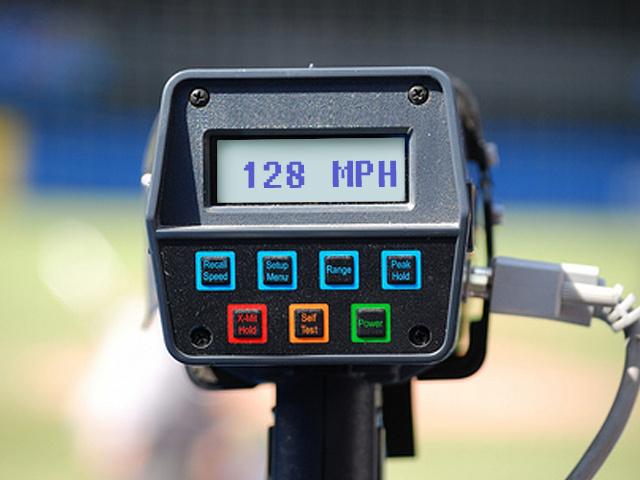
Os ecrãs LCD de caracteres utilizam controladores mais simples, concebidos para formatos de texto predefinidos. São comuns em equipamentos industriais, instrumentos de medição e painéis de controlo, onde a clareza e o baixo consumo de energia são prioridades.
Ecrãs LCD gráficos
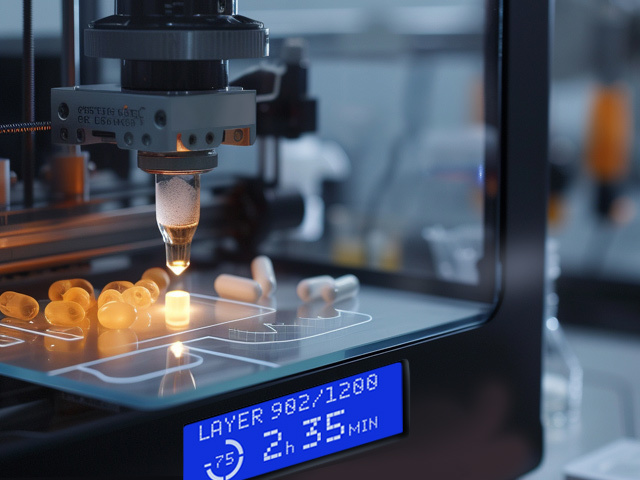
Os ecrãs LCD gráficos requerem controladores capazes de controlar pixels individuais. Essa flexibilidade adicional permite a utilização de símbolos personalizados, ícones e elementos básicos da interface do utilizador sem aumentar significativamente a complexidade do sistema.

Ecrãs TFT
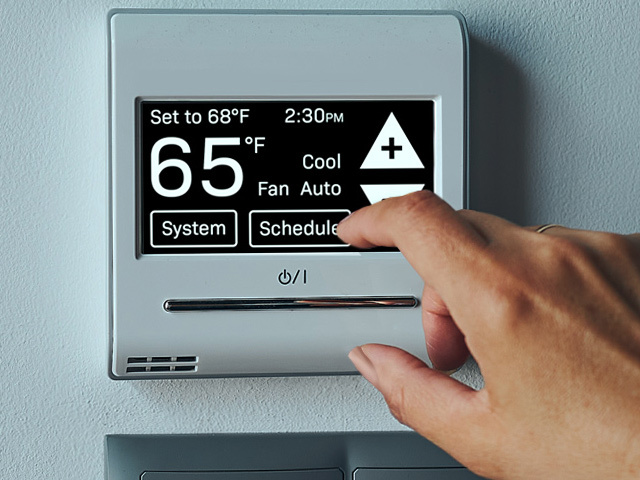
Os módulos TFT Os módulos TFT (incluindo os que incorporam a tecnologia IPS) exigem controladores mais avançados devido às resoluções mais elevadas e à reprodução a cores. O aumento da densidade de píxeis eleva os requisitos de memória e largura de banda, frequentemente através de interfaces como RGB, LVDS ou MIPI DSI.
Visores OLED
A tecnologia OLED requer um controlo preciso do brilho e da cor ao nível do píxel. Os controladores utilizados em aplicações OLED têm de garantir uma reprodução precisa das cores e uma luminância consistente em todo o ecrã.
Cada tecnologia implica diferentes considerações arquitetónicas. A escolha do controlador adequado ao tipo de ecrã simplifica a integração e contribui para um desempenho fiável a longo prazo.
Aplicações no mundo real e casos de utilização na indústria
Os controladores de ecrã desempenham um papel fundamental em setores onde a fiabilidade, a nitidez e os ciclos de vida prolongados dos produtos são fundamentais.
Dispositivos médicos
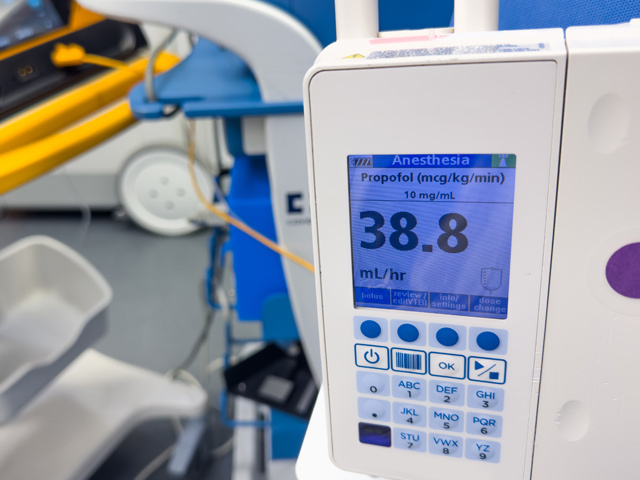
Os monitores de doentes, os instrumentos de laboratório e os equipamentos de diagnóstico dependem de uma saída visual estável e precisa. Os controladores têm de garantir taxas de atualização consistentes e uma representação precisa para apresentar leituras, formas de onda e informações sobre o estado do sistema sem atrasos nem distorções.
Equipamento industrial
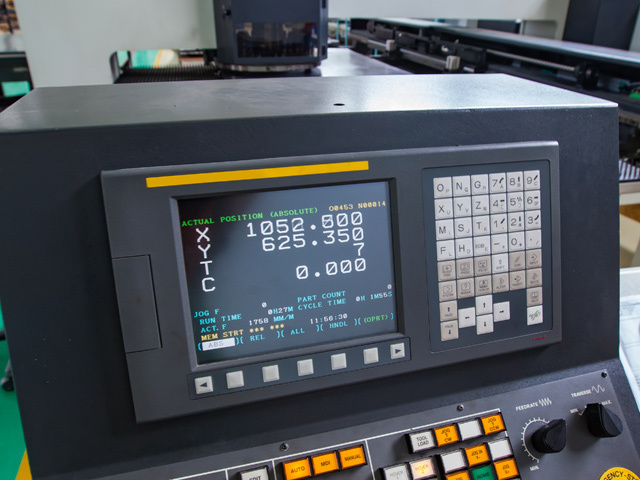
Os sistemas de automação industrial, as unidades de gestão de energia e os painéis de controlo de processos funcionam em ambientes exigentes. Os controladores utilizados nestas aplicações têm de manter um desempenho constante, independentemente das variações de temperatura e das longas horas de funcionamento.
Automóvel e Transportes
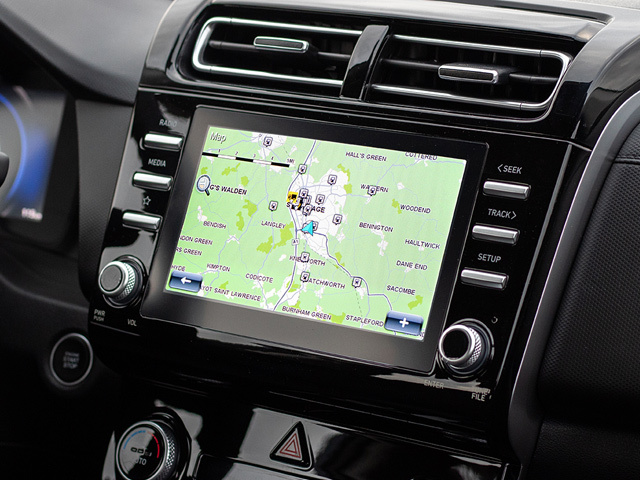
Os painéis de instrumentos, os sistemas de carregamento e as interfaces de controlo a bordo exigem tempos de resposta rápidos e um funcionamento fiável. Os ecrãs TFT de alta resolução dependem frequentemente de controladores avançados, capazes de processar gráficos complexos e atualizações em tempo real.
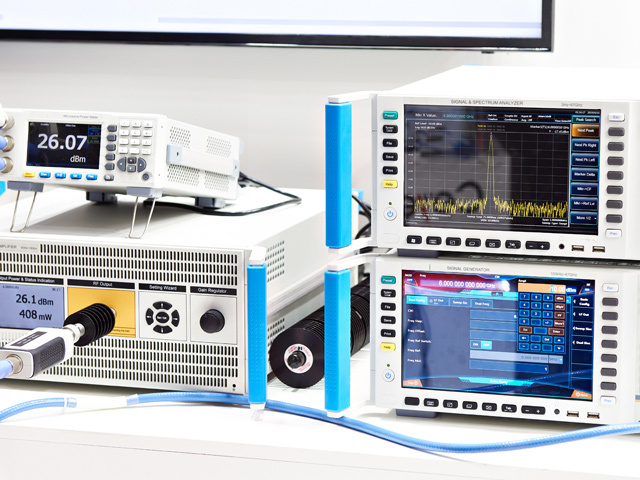
Teste e medição
Os instrumentos de precisão dependem de uma visualização clara dos dados. Os controladores destes sistemas têm de proporcionar gráficos nítidos e uma sincronização fiável para apresentar com precisão os resultados das medições e as leituras gráficas complexas.
Escolher o controlador de ecrã adequado
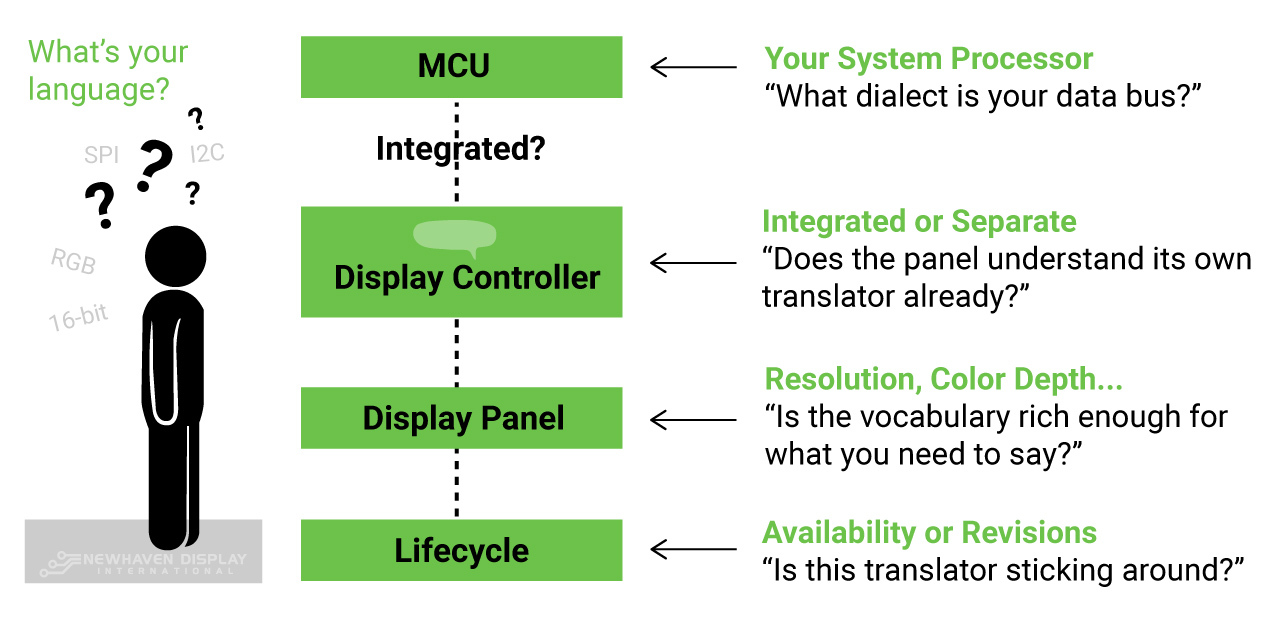
Em muitos módulos de visualização, o controlador já está integrado no próprio ecrã, o que simplifica a conceção do sistema e a comunicação com a MCU ou a MPU.
Noutros casos, nomeadamente com determinados ecrãs TFT, o processador do sistema pode interagir mais diretamente com o controlador do ecrã ou recorrer a um controlador integrado no sistema anfitrião, dependendo da interface e da arquitetura do sistema.
Quando um controlador de ecrã faz parte da arquitetura do sistema, o controlador deve suportar a resolução e a interface do ecrã, ao mesmo tempo que se adapta aos limites de processamento do sistema. Se o ecrã e o controlador exigirem mais largura de banda ou memória do que a arquitetura do sistema permite, a integração torna-se mais complicada.
O planeamento do ciclo de vida também é importante. Em produtos regulamentados ou de longo prazo, a disponibilidade dos controladores e o controlo das revisões podem afetar a produção e a manutenção futuras.
Soluções de visualização personalizadas com controladores integrados
Os módulos de visualização integrados, que incluem controladores de visualização incorporados, reduzem a complexidade do projeto e aceleram o desenvolvimento. Em vez de combinarem um controlador separado com um painel, os engenheiros podem trabalhar com uma solução pré-concebida, projetada para ser compatível desde o início.
A Newhaven Display oferece soluções de visualização personalizadas que integram controladores adaptados a resolução, de interface e de desempenho. Os nossos serviços de valor acrescentado simplificam a integração do sistema, a coordenação do firmware e a otimização do ecrã, de modo a alinhá-los com os requisitos da sua aplicação.
Para setores que exigem elevada fiabilidade, como o médico, o industrial e o automóvel, as soluções de controladores integrados proporcionam maior consistência e estabilidade a longo prazo ao longo do ciclo de vida dos produtos.
Tendências e inovações nos controladores de ecrã
Os controladores de ecrã continuam a evoluir a par dos ecrãs de maior resolução e das interfaces mais complexas.
Uma maior integração é uma tendência fundamental. Atualmente, muitos controladores combinam o processamento gráfico, a coordenação tátil e a gestão da memória num único chip, reduzindo o número de componentes e simplificando o design.
As interfaces mais rápidas, como o MIPI DSI e o LVDS de alta velocidade, estão a tornar-se cada vez mais comuns para suportar resoluções mais elevadas e maior profundidade de cor. Ao mesmo tempo, as arquiteturas melhoradas dos controladores ajudam a gerir taxas de dados mais elevadas e a manter um desempenho de atualização estável nos sistemas de visualização modernos.
Nas aplicações industriais e médicas, a disponibilidade a longo prazo e a flexibilidade do firmware continuam a ser prioridades fundamentais.
Desafios comuns e como superá-los
A integração de um controlador de ecrã pode apresentar desafios se os requisitos do sistema não forem claramente definidos desde o início.
Um problema comum é a limitação da largura de banda. Se o controlador ou a interface não conseguirem suportar a taxa de dados necessária, podem ocorrer problemas de desempenho, tais como cintilação ou atualização lenta. Analisar cuidadosamente os requisitos de resolução e de largura de banda da interface numa fase inicial do processo de conceção ajuda a evitar estes problemas.
As limitações de memória também podem afetar o desempenho. Os ecrãs de resolução mais elevada requerem mais memória de fotogramas, o que pode sobrecarregar os recursos do sistema se não for devidamente planeado.
Problemas de compatibilidade entre a MCU, o controlador e o painel de visualização podem implicar um aumento do tempo de desenvolvimento do firmware. A escolha de componentes concebidos para funcionar em conjunto simplifica a integração.
Um planeamento claro da arquitetura e a colaboração com um parceiro experiente na área dos ecrãs podem evitar muitos destes obstáculos antes que estes afetem os prazos de produção.
Diferença entre um condutor e um controlador
Os termos «driver de ecrã» e «controlador de ecrã» são frequentemente utilizados de forma intercambiável, mas desempenham funções diferentes.
Um controlador de ecrã gere a comunicação entre a MCU e o controlador do ecrã, tratando da memória de fotogramas, da geração de temporização e da transmissão de dados através da interface do ecrã.
Um controlador de ecrã ativa os próprios píxeis, aplicando os sinais elétricos que iluminam as linhas e colunas do painel. Normalmente, os controladores estão integrados diretamente no módulo do ecrã.
O controlador processa e organiza os dados de imagem. O controlador de vídeo transmite esses dados para o ecrã a nível de hardware. Compreender esta distinção ajuda os engenheiros a tomar decisões arquitetónicas mais claras durante o desenvolvimento.
Newhaven Display: O seu parceiro em soluções de ecrãs e controladores
O desempenho fiável do ecrã depende da qualidade dos componentes, da integração adequada e da estabilidade do produto a longo prazo.
Na Newhaven Display, fornecemos soluções LCD, TFT, IPS, OLED e VFD concebidas para aplicações exigentes. A nossa equipa trabalha em estreita colaboração com os engenheiros para alinhar a tecnologia de visualização com os requisitos do controlador numa fase inicial do desenvolvimento.
Oferecemos módulos de visualização personalizados com controladores integrados, adaptados a necessidades específicas em termos de resolução, interface e condições ambientais. Com stock disponível, sistemas de qualidade certificados pela ISO e um apoio técnico ágil, ajudamos a otimizar o desenvolvimento nos setores médico, industrial, automóvel e noutras indústrias de alto desempenho.
Se estiver a avaliar opções de ecrãs e precisar de orientação sobre a integração de controladores ou soluções personalizadas, a nossa equipa está pronta para o ajudar.
Obtenha uma solução de exposição personalizada. Contacte o departamento de vendas para obter um orçamento no mesmo dia.