

液晶ディスプレイの種類
液晶ディスプレイ(LCD)スクリーンは、デジタル・ディスプレイ市場の定番であり、あらゆる業界のディスプレイ・アプリケーションで使用されている。ディスプレイの用途によって要求されるものが異なるため、特殊な液晶ディスプレイの選択肢も増えてきている。
液晶ディスプレイは、3つのカテゴリーに分類される。TN(Twisted Nematic)、IPS(In-Plane Switching)、VA(Vertical Alignment)である。これらの画面タイプにはそれぞれ特徴があり、そのほとんどが画面タイプごとの画像の見え方に関係している。
この記事の中で
関連する 有機ELと液晶の比較
It's worth noting that although these screen types belong to the LCD screen type, they use thin-film-transistor (TFT) technology which is a variant of the standard LCD screen type.
液晶ディスプレイの種類を区別する主な特徴は、輝度、視野角、色、コントラストである。
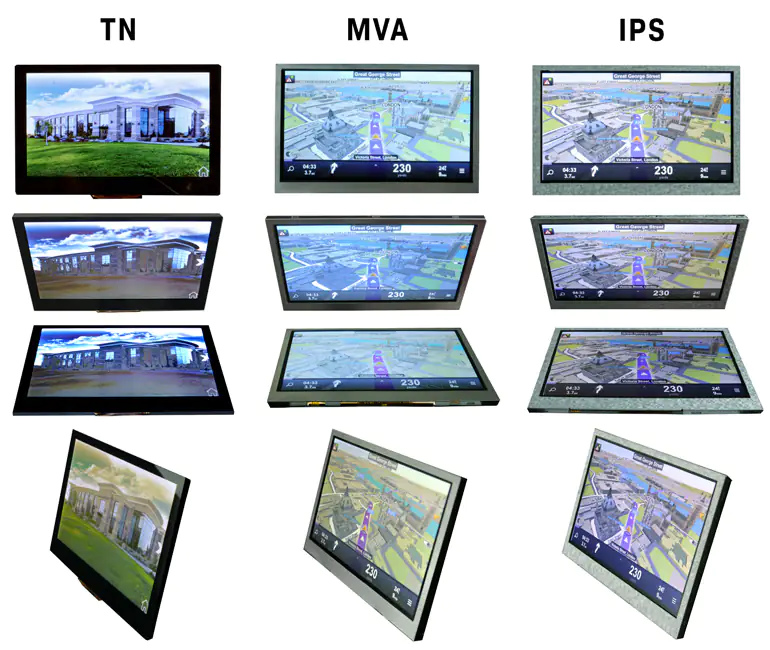
TN(ツイストネマティック)
この技術は、ネマティック液晶を2枚のガラス板で挟み込んだものです。電極に電力を加えると、液晶が90度ねじれる。TN液晶は、最も一般的な液晶ディスプレイのタイプである。フルカラーで、適度な視野角がある。
TN LCDs maintain a dedicated user base despite other screen types growing in popularity due to some unique key features that TN display offer. For one, TN LCDs have faster response times and refresh rates than other TFT LCDs.
TN TFTは、精度と応答速度が勝敗を分けるPCゲームの競技コミュニティで、依然として高い人気を誇っています。
リフレッシュレートやレスポンスタイムとは、ユーザーの入力に応じて画素がアクティブになったり非アクティブになったりする時間のことで、動きの速い画像やグラフィックをできるだけ速く、正確に更新しなければならない場合に重要な意味を持ちます。
TNディスプレイは、その信頼性の高い性能とコストパフォーマンスの高い価格帯で人気を博している。
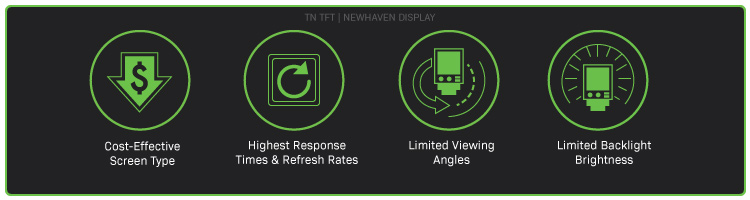
TN液晶の特性
-
費用対効果
従来、液晶ディスプレイの選択肢の中で最もコストパフォーマンスが高いのは、ツイストネマティック方式であった。
-
最高のリフレッシュレート
TN液晶ディスプレイは、リフレッシュレートと応答速度が最も優れています。
-
限定されたビューイングアングル
TN液晶ディスプレイの平均視野角は45〜65度です。
-
輝度制限
TN液晶ディスプレイは、屋外や直射日光下での視聴には十分な明るさがありません。
VA(バーティカルアライメント)
VA(マルチドメイン・バーティカル・アライメント)ディスプレイは、TNスクリーンとIPSスクリーンの両方の特徴を備えている。VAディスプレイの画素は、電圧をかけるとガラス基板に対して垂直に並び、光を透過させる。
VAスクリーン搭載のディスプレイは、広い視野角、高いコントラスト、良好な色再現性を実現する。TN TFTと同等の高い応答速度を維持しますが、同等のTN LCDやIPS LCDと比較して、太陽光で読み取れる輝度レベルには達しない場合があります。VAディスプレイは一般的に、商業施設のデジタルサイネージなど、複数の角度から見る必要がある用途に最適です。
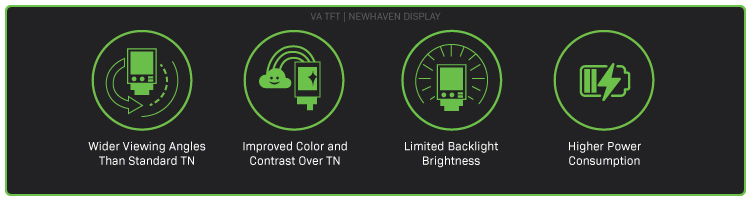
VA液晶の特性
-
ワイドビューイングアングル
VA画面はTN液晶に比べ、視野角が広い。
-
色とコントラスト
VA方式の液晶画面は、TN方式のTFTに比べ、発色やコントラストが向上しています。
-
バックライト輝度
VA方式の液晶ディスプレイは、同等のTN方式のTFTに比べ、輝度が低くなる傾向がある。
-
消費電力
Sunlight Readable LCDは、通常の液晶画面よりも多くのエネルギーを消費する可能性があります。
IPS (In-Plane Switching)
IPS (In-Plane Switching) technology improves image quality by acting on the liquid crystal inside the display screen. When voltage is applied, the crystals rotate parallel (or “in-plane”) rather than upright to allow light to pass through. This behavior results in several significant improvements to the image quality of these screens.
関連記事IPSディスプレイとは?
IPSは、すべての主要なカテゴリーでTNディスプレイを凌駕しています。
IPS is superior in contrast, brightness, viewing angles, and color representation compared to TN screens. Images on screen retain their quality without becoming washed out or distorted, no matter what angle they’re viewed from. Because of this, viewers have the flexibility to view content on the screen from almost anywhere rather than having to look at the display from a front-center position.
IPSは、ほとんどの角度から見ても、色鮮やかで正確、かつシャープな画像を得ることができます。
IPSディスプレイは、TNディスプレイよりも若干リフレッシュレートが低くなっています。ピクセルが非アクティブからアクティブになるまでの時間は、ミリ秒単位で測定されることを忘れないでください。ですから、ほとんどのユーザーにとって、リフレッシュレートの差は気にならないでしょう。
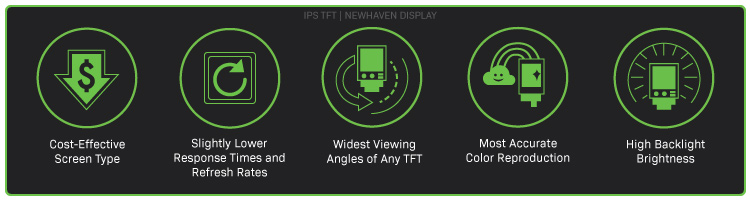
IPS液晶の特性
-
価格帯
IPSディスプレイは、TN液晶に匹敵するコストパフォーマンスを持つようになった。
-
平均リフレッシュレート
IPS画面は、TN液晶画面に比べてリフレッシュレートや応答速度が遅い。
-
最も広い視野角
IPS液晶ディスプレイは、TFT液晶ディスプレイの中で最も視野角が広い。
-
ベストカラー
IPS液晶ディスプレイは、TFT液晶ディスプレイの中で最も正確で鮮やかな色彩を再現することができます。
-
最高輝度
IPS液晶画面には高輝度バックライトを搭載し、太陽光の下で読みやすい環境を実現しました。
TN vs VA vs IPS比較表
| TN | バージニア州 | アイピーエス | |
| 輝度 | より良い | 良い | ベスト |
| パフォーマンス | 最速 | 高速 | 高速 |
| ビューイングアングル | 良い | より良い | ベスト |
| カラー | 良い | より良い | ベスト |
| コントラスト | 良い | ベスト | より良い |
| ブラックレベル | 良い | ベスト | より良い |
| 画質 | 良い | より良い | ベスト |
| 用途 | 性能が良いからゲーム | 価格と品質から一般的な使用 | 品質が求められるプロフェッショナル |
Standard LCDs vs. TFT LCDs
Standard LCDs are ideal for straightforward applications where simplicity, longevity, and low power consumption are key. TFT LCDs deliver enhanced visuals and interactivity, making them better suited for versatility or graphic-rich interfaces. Choosing between them depends on your project’s design priorities, environment, and user needs.
Monochrome
Monochrome LCDs use one color for display content, typically black or blue on a light background. They are optimized for basic communication needs, offering strong visibility, extended product life, and efficient power use. These displays are a reliable fit for designs where function matters more than form.
Multi-Color
Multi-color LCDs display content in two or more predefined colors, improving visual organization and user interaction. They are useful when you need to highlight status indicators, alerts, or navigation elements without moving to full-color graphics. This makes them a strong middle ground between monochrome simplicity and full-color TFT capability.
Passive vs Active Matrix LCDs
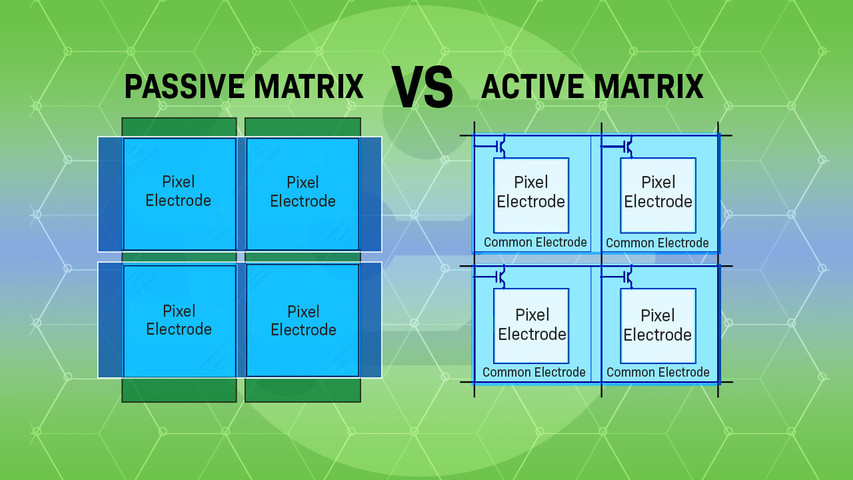
Passive matrix LCDs use a simple structure that updates pixels row by row. This keeps cost and power consumption low, making them a smart choice for static or slow-moving content. Active matrix LCDs, such as those using TFT technology, control each pixel individually. This allows for faster refresh rates, sharper images, and smoother user experiences.
The decision depends on how dynamic the display content is. More complex visuals benefit from active matrix, while simpler interfaces can perform reliably with passive matrix designs.
Things to Consider
Focus on how the display will be used, what it needs to show, and where it will operate. Matching features to real-world use helps streamline development and improve product performance.
Customization
Standard LCDs offer more flexibility for customization. They can be adapted to fit unique size, interface, and mounting needs without requiring a complete redesign. Newhaven Display provides custom support to help align display performance with your product goals.
Usage
TFTs are ideal for products that need higher resolution, brighter output, or interactive features. Standard LCDs are better suited for utilitarian applications where function, simplicity, and efficiency are the priority.
How You Plan to Drive the Display
Standard LCDs work well with lower-cost microcontrollers. They don’t require much power, speed, or memory. TFTs, on the other hand, need more capable hardware to handle higher data rates, color rendering, and screen refresh.
Myth: TFTs Are Always More Expensive Than Standard LCDs
Fact: Cost is driven by design, not just display type. While TFTs offer advanced features, a standard LCD with custom specs or added components can match or exceed that cost. The right choice depends on the product's specific needs and priorities.
Myth: LCD Is an Older, Phasing Out Technology
Fact: LCDs remain in high demand across industries. Newhaven Display continues to manufacture and supply a wide range of LCD options because they offer reliable performance, long product life, and cost efficiency. For designs that value stability, LCDs are still a smart and trusted choice.
Myth: All LCDs Follow Industry Standards
Fact: While standard LCDs tend to follow consistent industry formats, TFT displays often vary by manufacturer. Differences in interfaces, pinouts, and driver ICs are common. Understanding these variations early helps ensure a smoother design process. Newhaven Display works with teams to identify the right fit and avoid integration issues.
結論
LCDs remain a reliable solution across a broad range of applications. Monochrome panels support efficiency and simplicity. TFT displays deliver vibrant visuals and greater interactivity. Understanding how each type functions, along with the differences between passive and active matrix technologies, ensures the display aligns with your product’s requirements.
To explore additional factors like viewing angles, brightness needs, or optical modes such as transmissive, transflective, and reflective, visit our LCD Types and Modes guide.
Get in touch with Newhaven Display to choose the right LCD panel for your application. We’re here to help with expert guidance and same-day quotes.

最新のブログ記事
-

Arduino vs Raspberry Pi vs BeagleBone: Key Features and Differences
If you're working on an electronics project—whether it's for a DIY automated device, a digital sign, …Dec 8th 2025 -
Passive Matrix vs Active Matrix - A Beginner's Guide
Have you ever wondered how display screens are able to produce sharp images and vibrant colors? The …Dec 5th 2025 -
Nits vs Lumens vs Luminance: Key Differences Explained
While looking at some of the many light-emitting devices, such as televisions, LCDs, or light bulbs, …Nov 21st 2025