


IPSディスプレイとは?
2026年3月30日
ディスプレイ技術は1世紀以上にわたって進化を続け、電子機器市場の革新を牽引し続けています。IPS技術は、色や視野角の問題を解決するために90年代に開発されました。
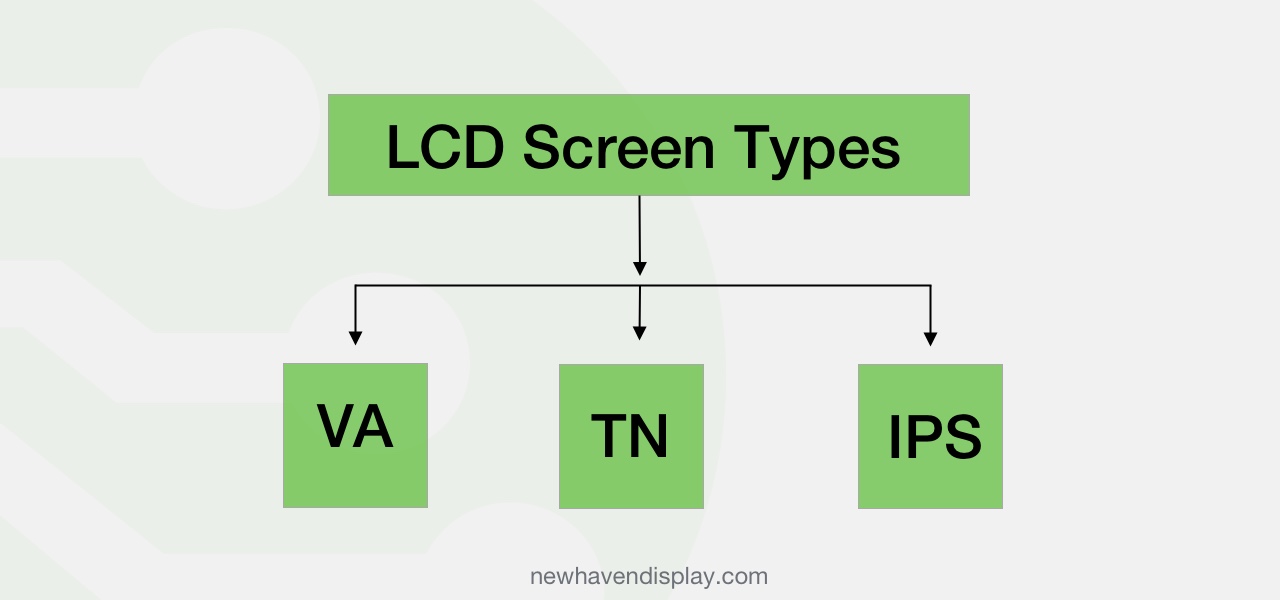
今日、IPSディスプレイパネルは、VA(垂直配向)やTN(ねじれネマチック)など他の一般的なディスプレイパネルと比較して、最高の色再現性と視野角を実現しています。
関連記事 IPS技術を知る
この記事の中で
IPSとは?
IPS(In-Plane Switching) は LCD技術の一種であり であり、視野角と色再現性を向上させるように設計されています。従来のLCDパネルとは異なり、IPS技術では液晶をディスプレイ表面と平行に配向させるため、さまざまな角度から見た場合でも画像が均一に保たれます。
IPSパネルは、鮮明な映像と安定した色再現が求められる用途で広く採用されています。
IPSはどのように機能するのでしょうか?
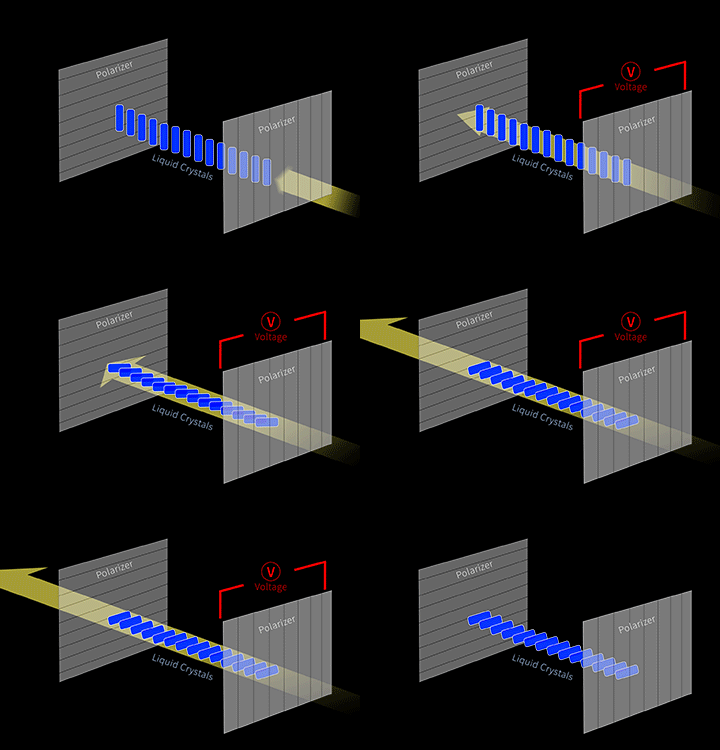
IPS技術は、液晶パネル内で液晶が動く仕組みを改良したものです。 従来のLCD技術ではでは、電圧が印加されると液晶が垂直方向に傾くため、広視野角から見た際に画像が見えにくくなる場合があります。IPSディスプレイでは、液晶がディスプレイ表面と平行に、つまり「面内(in-plane)」に回転するため、バックライトからの光がパネル内をより均一に透過します。液晶の配向はディスプレイ面全体で一貫しているため、パネル内の光の制御が向上し、画面全体で安定した画質を維持することができます。
IPSディスプレイモニターのメリット
IPSの最大の特長は、色やコントラストを維持したまま広視野角を実現できることです。つまり、IPSスクリーンは、ほぼどの角度から見ても、スクリーン上の画像を正確に表現することができるのです。
IPSディスプレイは、TN液晶やVA液晶のように、斜めから見たときに色がつぶれたり歪んだりすることがありません。
IPSディスプレイの画面やモニターは、TNやVAに比べて、さまざまな環境(直射日光、低照度、屋内、屋外)で最高の品質を提供します。
IPSディスプレイのメリットは何ですか?
- コントラストの向上
- より広い視野角
- 高速レスポンス
- 正確で、より良い色
- 直射日光下での視認性
IPSディスプレイの一般的な用途
IPSディスプレイは、安定した画質と広い視野角が性能上不可欠な製品に使用されています。
- 産業用機器 – 複数のオペレーター位置からでも視認性を確保しなければならない制御盤、自動化システム、および計装機器
- 医療機器 – 鮮明かつ正確な視覚データが必要な患者モニターおよび診断機器
- 自動車・輸送 – 変化する視認環境下でも確実な視認性が求められるダッシュボードインターフェースおよび車載システム
- 民生用電子機器 – 画面全体で一貫した画質が活かされるタブレットや携帯端末
IPS、TN、VAの違いについて
IPS、VA、TNディスプレイパネルの主な特性の違いを簡単に比較します。
TN vs VA vs IPS
| TN | バージニア州 | アイピーエス | |
| パフォーマンス | Fastest - 最高のパフォーマンス | 遅い - 最悪なパフォーマンス | 高速 - 良好なパフォーマンス |
| ビューイングアングル | 最悪の視野角 | 良好な視野角 | ベストビューイングアングル |
| カラー | 最低の色 | 良好な発色 | ベストカラー |
| コントラスト | ワーストコントラスト | ベストコントラスト | 良好なコントラスト |
| 価格 | 最安値 | アフォーダブル | 最も高価 |
| 用途 | 性能が良いからゲーム | 価格と品質から一般的な使用 | 品質が求められるプロフェッショナル |
TNパネルとIPSパネルの画面例
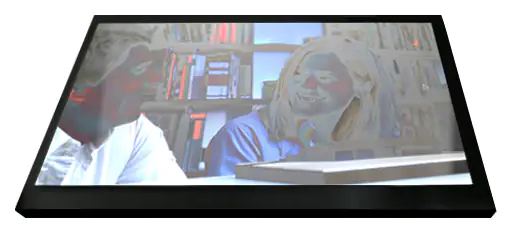
TN TFT(左)とIPS TFT(右)を斜めから見たところ。
TNディスプレイとIPSディスプレイの動画デモ
当社独自の7インチIPS TFTディスプレイのデモをご覧ください。TN TFTディスプレイとの比較で、色再現性、コントラスト、視野角を検証します。
IPSとOLED:主な違い
IPSとOLED は、広く普及している2つのディスプレイ技術ですが、その動作原理は異なり、それぞれ異なる設計上の優先事項に対応しています。
An IPSディスプレイ は、バックライトと液晶層を用いて画像を形成するTFT LCD技術です。
OLED(有機発光ダイオード) ディスプレイは、自ら光を発生させる自発光型ピクセルを採用しています。各ピクセルを個別に点灯・消灯させることができるため、OLEDパネルはより深い黒と高いコントラストを実現できます。
多くの用途において、IPSディスプレイは、安定した画質、長い寿命、そしてコスト効率の高さから好まれていますが、最高のコントラスト比や薄型設計が優先される場合には、OLEDディスプレイが選ばれることがよくあります。
IPSディスプレイ/モニターを使用する理由は?
IPSディスプレイは、水平・垂直方向の広い視野角、正確な色表現、直射日光下での視認性を備えています。
関連記事 ウェアラブルデバイスにおける有機EL
最も広い視野角
TN液晶は広い視野角から正確な画像を表示するのに苦労することが多い。IPS液晶は様々な角度から見た場合の色ずれや色あせをほぼ完全に解消する。
正確な色表現
インプレーンスイッチング(IPS)の強力な技術は、あらゆるTFT液晶ディスプレイの中で最も鮮やかで忠実な色を実現します。IPSは1600万色以上の発色が可能です。
直射日光の視認性
強力なLEDバックライトと比類のない視野角の組み合わせにより、直射日光下でも最高の画質を実現します。IPSディスプレイは、TN液晶やOLEDディスプレイよりも日差しの強い環境で高品質な画像を提供します。
IPSディスプレイの寿命と信頼性
IPSディスプレイは、長い耐用年数が求められる製品に最適です。IPSパネルは、バックライトを制御するLCD技術に基づいており、連続使用下でも長年にわたり安定して動作します。
また、そのアーキテクチャは長期にわたって安定した性能を維持できるため、長期間にわたり稼働し続けなければならないシステムにとって重要です。産業用機器、医療機器、輸送システムなどでは、耐久性、予測可能な動作、および長期にわたる部品の入手可能性が重要な要素となる場合、IPSディスプレイが採用されています。
適切なIPSディスプレイの選び方
適切なIPSディスプレイの選定は、用途の要件によって異なります。ディスプレイのサイズ、解像度、輝度、インターフェースの互換性などの要素が、ディスプレイがシステムにどれだけうまく統合されるかに影響します。
設計チームは、動作条件についても評価する必要があります。温度範囲、周囲の照明、および視聴距離は、特定の設計においてどのIPSパネルが最も優れた性能を発揮するかに影響を与える可能性があります。
インターフェースの選択肢も、重要な検討事項の一つです。多くのIPSディスプレイは、SPI、RGB、LVDS、MIPI DSIなどの規格を通じて通信を行っており、選択するインターフェースはシステムのプロセッサアーキテクチャと整合していなければなりません。
開発の初期段階でこれらの要素を評価することで、IPSディスプレイが最終製品の性能および信頼性の要件を満たしつつ、円滑に統合されることを確実にすることができます。
IPSディスプレイのデメリット
IPSディスプレイのデメリットは何ですか?
IPSディスプレイ/モニターのデメリットとして、価格、コントラスト、消費電力などが挙げられます。
IPSディスプレイやモニターを選び、購入する前に、考慮すべき欠点があります。
消費電力
IPS方式の液晶ディスプレイは、一般的なTN方式の液晶ディスプレイに比べ、約15%多く電力を必要とします。有機ELディスプレイは、バックライトが不要なため、IPSタイプよりもはるかに少ない電力しか必要としない。液晶のIPS方式は、エネルギー効率の高いディスプレイが必要な場合には、理想的なソリューションではありません。低消費電力のためには、OLEDやTN TFTを選んだ方がよいでしょう。
価格
IPSディスプレイは、より新しく、より高度な技術が使われているため、製造コストが高くなります。より費用対効果の高いソリューションとしては、TN液晶ディスプレイが適しているでしょう。
コントラスト
IPSディスプレイは、視野角と色再現性を大きく向上させますが、他の競合するディスプレイタイプに比べると、コントラスト性能に劣ります。有機ELディスプレイは、アクティブなピクセルを完全にシャットダウンすることで真の黒を実現し、IPSディスプレイよりもはるかに高いコントラストを実現しています。ディスプレイに最大限のコントラストを求めるなら、有機ELディスプレイの方がよいでしょう。
結論
IPS技術の進歩に伴い、より多くのディスプレイアプリケーションにIPSが搭載されるようになるでしょう。
インプレーンスイッチングは視野角を広げ、色精度を保つことができるため、液晶ディスプレイは有機ELディスプレイのような高コントラストな映像に対抗することができる。
最高のリフレッシュレートを必要とせず、消費電力が多少高くても構わないのであれば、IPSディスプレイはあなたのプロジェクトに大きな利益をもたらします。