


Nits, lumeny i luminancja: wyjaśnienie kluczowych różnic
21 listopada 2025 r.
Patrząc na niektóre z wielu urządzeń emitujących światło, takich jak telewizory, wyświetlacze LCD lub żarówki, prawdopodobnie zauważyłeś, że nie wszystkie są takie same. Niektóre są słabe, a inne bardzo jasne, a często można nawet regulować ustawienia jasności lub luminancji. Producenci wyświetlaczy używają różnych jednostek i specyfikacji, takich jak nity, lumeny, luminancja, jasność lub strumień świetlny, aby opisać właściwości świetlne swoich produktów, dlatego przed podjęciem decyzji o zakupie należy zrozumieć, o czym mówią.
W tym artykule:
- Dlaczego zrozumienie pomiarów światła ma znaczenie w projektowaniu wyświetlaczy
- Koncepcje świetlne
- Jednostki miary światła
- Nits
- Wpływ gnid na rzeczywistą wydajność wyświetlania
- Lumeny
- Luminancja
- Błędne przekonania dotyczące jasności i jakości wyświetlacza
- Wybór odpowiedniej jasności dla danego zastosowania
- FAQs
- Wniosek
Dlaczego zrozumienie pomiarów światła ma znaczenie w projektowaniu wyświetlaczy
Jasność nie jest uniwersalnym wskaźnikiem. To, co wygląda wyraźnie w słabo oświetlonym otoczeniu, może blaknąć lub znikać w bezpośrednim świetle słonecznym. Dlatego wydajność wyświetlacza zależy od zrozumienia sposobu pomiaru światła i zastosowania tych pomiarów w rzeczywistych warunkach.
Terminy takie jak nit, lumen i luminancja są często używane zamiennie, ale każdy z nich ma inne znaczenie. Znajomość różnicy między nitami a lumenami pozwala od samego początku dokonać trafniejszego wyboru odpowiedniego wyświetlacza.
Koncepcje świetlne
Zanim porównamy jednostki pomiaru światła, konieczne jest zrozumienie kilku pojęć:
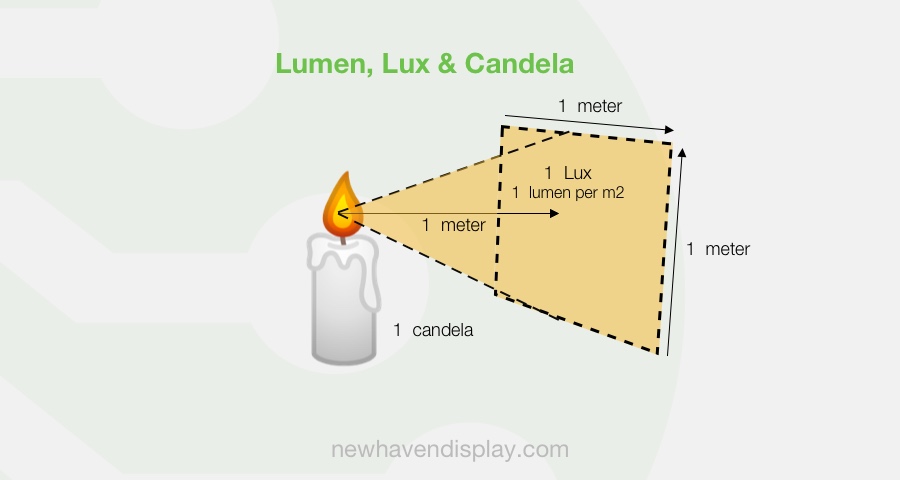
- Iluminancja: Ilość światła, która trafia na daną powierzchnię. (jak bardzo oświetlona jest ta powierzchnia)
- Luminancja: Postrzegana ilość światła emitowanego z obiektu. Luminancja jest również określana jako jasność.
- Lumen: Całkowita ilość światła widzialnego emitowanego przez źródło światła. Jest to jednostka do pomiaru strumienia świetlnego.
- Strumień świetlny (Lux): Ilość światła emitowana w każdym kierunku i mierzona w lumenach.
- Natężenie światła: Ilość światła widzialnego emitowanego ze źródła w określonym kierunku na jednostkę kąta bryłowego. Kandela jest jednostką SI określającą natężenie światła.
- Kandela: Jednostka miary natężenia światła. Kandela mierzy wielkość natężenia luminancji z dowolnego punktu w jednym kierunku.
Światło z jednej świecy to mniej więcej jedna kandela. Niektóre z najwyższych wskaźników kandeli są widoczne w reflektorach lub laserach, ponieważ większość ich światła jest skoncentrowana w jednym kierunku.
Dowiedz się więcej: Rodzaje LCD
Jednostki pomiaru światła
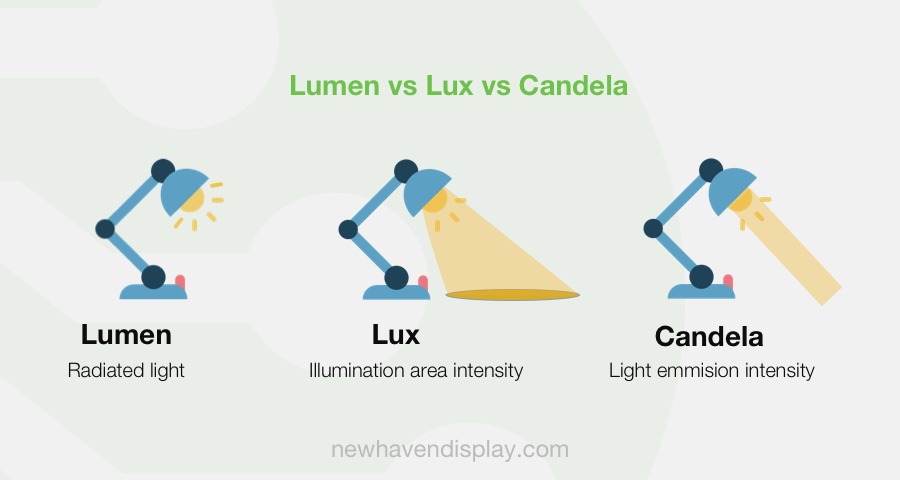
Światło możemy mierzyć na podstawie jasności widzianej przez ludzkie oko. Najpopularniejsze jednostki używane do pomiaru światła to Lumen, Lux i Candela.
Światło Międzynarodowy układ jednostek (SI)
| Nazwa | Symbol | Jednostka | Symbol jednostki |
|---|---|---|---|
| Natężenie światła | lv | Candela | cd |
| Luminancja | Lv | Kandela na metr kwadratowy | cd/m² |
| Strumień świetlny | Φv | lumen | lm |
| Iluminacja | Ev | lux | lx |
W Newhaven Display używamy luminancji w kandłach na metr kwadratowy lub nitach, żeby określić jasność naszych produktów.
Nits
Czym są nity? Nity (lub NITS) są miarą luminancji, co oznacza, że mierzą ilość światła emitowanego przez obiekt. Termin „nit” pochodzi od łacińskiego słowa nitere, które oznacza „świecić”. Nit nie należy oficjalnie do Międzynarodowego Układu Jednostek Miar (SI) ani żadnego innego systemu miar.
Jeden NIT jest równoważny jednej kandeli na metr kwadratowy. Nie tylko reprezentują ten sam typ wielkości, ale są też jednostkami równoważnymi.
1 nit = 1 kandela na metr kwadratowy.
Mówiąc prościej, nit to po prostu inna nazwa kandeli.
Przeciętne wyświetlacze LCD dla konsumentów mają jasność od 200 do 350 nitów. W przypadku wyświetlaczy LCD używanych na zewnątrz minimalna jasność wynosząca 400–700 nitów jest wymagana do użytkowania w warunkach dziennych, a co najmniej 1000 nitów do oglądania w jasnym, bezpośrednim świetle słonecznym. Sprzedajemy wyświetlacze czytelne w świetle słonecznym oraz wyświetlacze IPS zaprojektowane z podświetleniem LED o wysokiej jasności do zastosowań zewnętrznych.
Wpływ gnid na rzeczywistą wydajność wyświetlania
Nity mierzą luminancję, czyli jasność emitowaną przez powierzchnię wyświetlacza w określonym kierunku. Ma to bezpośredni wpływ na widoczność ekranu w różnych warunkach oświetleniowych. Wyświetlacz może wydawać się jasny w pomieszczeniach, ale tracić widoczność w środowiskach o silnym oświetleniu otoczenia, jeśli poziom nitów jest zbyt niski.
W przypadku większości zastosowań wewnętrznych wystarczająca jest zazwyczaj jasność od 250 do 400 nitów. W warunkach zewnętrznych lub przy silnym oświetleniu wyświetlacze wymagają zazwyczaj jasności 700 nitów lub więcej, aby zachować czytelność. Sterowniki przemysłowe, sprzęt medyczny i interfejsy samochodowe często mieszczą się w tym wyższym zakresie.
Newhaven Display oferuje opcje o wysokiej jasności, zaprojektowane specjalnie do tych zastosowań. Nasze wyświetlacze TFT czytelne w świetle słonecznym i wyświetlacze IPS są zaprojektowane z myślą o widoczności w bezpośrednim świetle, zapewniając jednocześnie doskonałą dokładność kolorów i jakość obrazu.
Lumeny
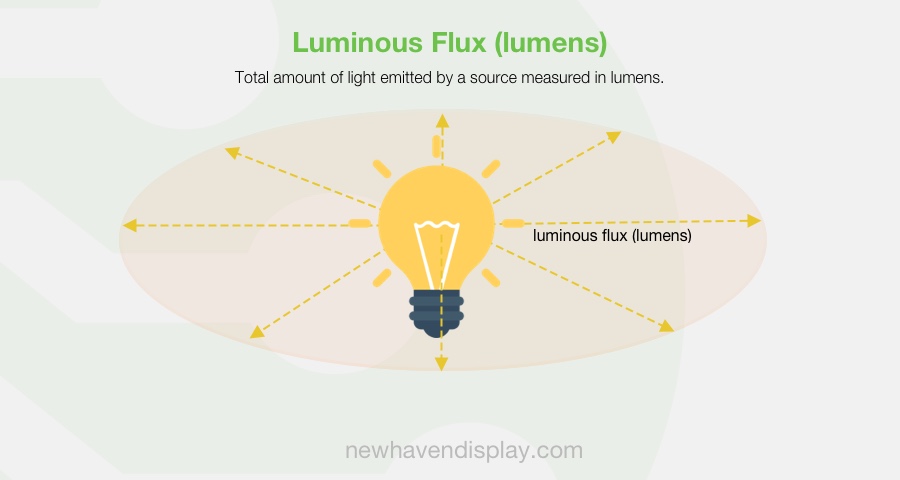
Lumen (lm) jest jednostką miary strumienia świetlnego w Międzynarodowym Układzie Jednostek Miar (SI). Strumień świetlny jest miarą ilości światła emitowanego przez źródło mierzoną w lumenach. Lumeny są powszechnie używane w specyfikacjach żarówek, aby opisać, jak jasne jest światło. Strumień świetlny projektora jest również powszechnie mierzony w lumenach.
Lumeny a kandele
Lumeny opisują całkowity strumień światła we wszystkich kierunkach, a kandele opisują strumień światła lub natężenie z określonego punktu w jednym kierunku.
Nity vs. Lumeny
Chociaż zarówno nit, jak i lumen są jednostkami służącymi do pomiaru strumienia świetlnego, kluczową różnicą między nimi jest to, że nit mierzy luminancję lub jasność obiektu, a lumen mierzy ilość emitowanego światła.
1 Nit jest równy 3,426 lumenów.
Kandela vs Gnidy
1 Kandela równa się 1 Nit. Poza nazwą nie ma żadnej różnicy między Candelą a Nitami.
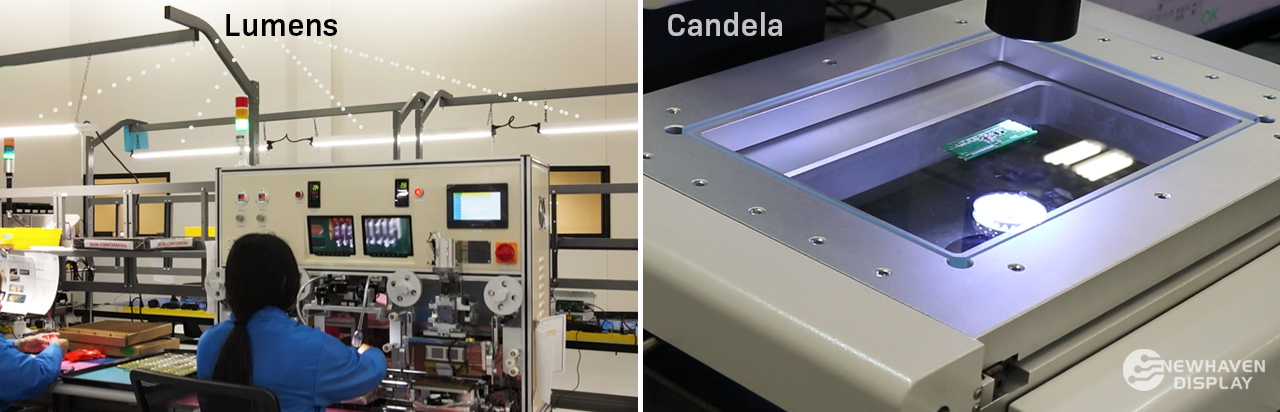
Luminancja
Luminancja (Lv) mierzy ilość światła emitowanego, odbitego lub przechodzącego przez obiekt. Luminancja jest mierzona w kandelach na metr kwadratowy (cd/m²).
Chociaż istnieją różne jednostki miary luminancji, w tym nit (nt) i foot-lambert (fl), Międzynarodowy Układ Jednostek Miar (SI) określa kandela/metr kwadratowy (cd/m²) jako jednostkę miary luminancji.

W branży wyświetlaczy, luminancja jest używana do określenia jasności wyświetlaczy.
Powiązane: Wypalanie obrazu
Błędne przekonania dotyczące jasności i jakości wyświetlacza
Jasność jest często traktowana jako skrótowe określenie jakości wyświetlacza, ale może to prowadzić do błędnych wniosków. Oto kilka typowych nieporozumień:
- Wyższa jasność zawsze oznacza lepszą widoczność: Nie zawsze. Wyświetlacz o jasności 1000 nitów może wyglądać na wyblakły, jeśli kontrast jest słaby lub nie ma odpowiedniego zarządzania odblaskami. W niektórych przypadkach wyświetlacz o niższej jasności z ulepszeniami optycznymi będzie działał lepiej.
- Zwiększenie jasności rozwiązuje wszystkie problemy związane z czytelnością na zewnątrz: Jasność to tylko jeden z elementów. Klejenie optyczne, powłoki antyrefleksyjne i typ panelu (np. IPS vs standardowy TFT) mają wpływ na czytelność wyświetlacza w jasnych warunkach.
- Lumeny i nity można porównać bezpośrednio: Lumeny mierzą całkowitą moc świetlną źródła. Nity mierzą jasność powierzchni wyświetlacza postrzeganą przez widza. Są to odrębne miary stosowane w różnych kontekstach. W przypadku wyświetlaczy porównanie nitów i lumenów nie jest porównaniem dwóch identycznych wielkości.
- Wszystkie wyświetlacze o wysokiej jasności zachowują się tak samo w praktyce: Dwa wyświetlacze o tej samej wartości nitów mogą nadal wyglądać zupełnie inaczej. Czynniki takie jak dokładność kolorów, kąt widzenia i obsługa światła otoczenia mają wpływ na rzeczywistą wydajność.
Wybór odpowiedniej jasności dla danego zastosowania
Warunki oświetleniowe mają duży wpływ na wydajność wyświetlacza. Poziomy jasności, które sprawdzają się w pomieszczeniach, mogą być niewidoczne w warunkach silnego oświetlenia zewnętrznego.
- Zastosowanie w pomieszczeniach: W środowiskach takich jak stacje testowe, urządzenia laboratoryjne lub pomieszczenia kontrolne zazwyczaj wystarcza jasność od 250 do 400 nitów. Celem jest tutaj komfort i przejrzystość bez zbędnej intensywności.
- Oświetlenie mieszane lub częściowe nasłonecznienie: W przypadku urządzeń narażonych na działanie oświetlenia górnego, okien lub pośredniego światła słonecznego wyświetlacze o jasności od 400 do 700 nitów zapewniają lepszą czytelność bez nadmiernego zużycia energii.
- Bezpośrednie światło słoneczne lub silne odblaski: Wyświetlacze używane na zewnątrz lub w miejscach o dużym odblasku muszą mieć co najmniej 700 nitów, aby były czytelne. Jest to powszechne w przypadku urządzeń samochodowych, morskich i przemysłowych.
Najlepszym punktem wyjścia jest określenie warunków oświetleniowych, w jakich będzie funkcjonował produkt. Następnie należy wybrać wyświetlacz, który zapewnia stałą klarowność przy najniższej wymaganej jasności. Firma Newhaven Display oferuje rozwiązania w zakresie wyświetlaczy o wysokiej jasności, zaprojektowane z myślą o niezawodności, klarowności i wymagających warunkach środowiskowych. W przypadku projektów wymagających dostosowanej wydajności, dostępne są niestandardowe konfiguracje , aby spełnić określone wymagania dotyczące jasności, interfejsu lub rozmiaru.
FAQs
W czym mierzona jest luminancja?
Kandela na metr kwadratowy (cd/m²).
Jaka jest różnica między strumieniem świetlnym a natężeniem światła?
Strumień świetlny mierzy całkowitą ilość światła emitowanego przez źródło światła w całym jego spektrum kątowym. Natomiast natężenie światła mierzy światło emitowane przez źródło światła w danym kierunku.
Jaka jest różnica między luminancją a iluminancją?
Luminancja to ilość światła emitowanego ze źródła, a iluminacja to ilość światła, która trafia na powierzchnię.
Czy jasność to to samo co luminancja?
Jasność nie jest tym samym co luminancja i nie ma ilościowej miary. Jasność jest percepcją i jest powszechnie wykonywana w procentach.
Jak przeliczyć nity na lumeny?
1 Nit = 3,426 Lumenów. Aby przeliczyć wartość nitów na lumeny wystarczy pomnożyć liczbę nitów przez 3,426.
Jak przeliczyć lumeny na nity?
Podziel liczbę Lumenów przez 3,426.
Wniosek
Zrozumienie specyfikacji dotyczących nitsów, lumenów i luminancji jest ważnym czynnikiem przy wyborze urządzeń emitujących światło, takich jak ekrany LCD. Należy jednak wziąć pod uwagę również inne specyfikacje, takie jak częstotliwość odświeżania, interfejs, kąt widzenia i rozdzielczość. Skontaktuj się z jednym z naszych inżynierów już dziś, aby uzyskać pomoc w wyborze idealnego wyświetlacza do Twojej aplikacji.