


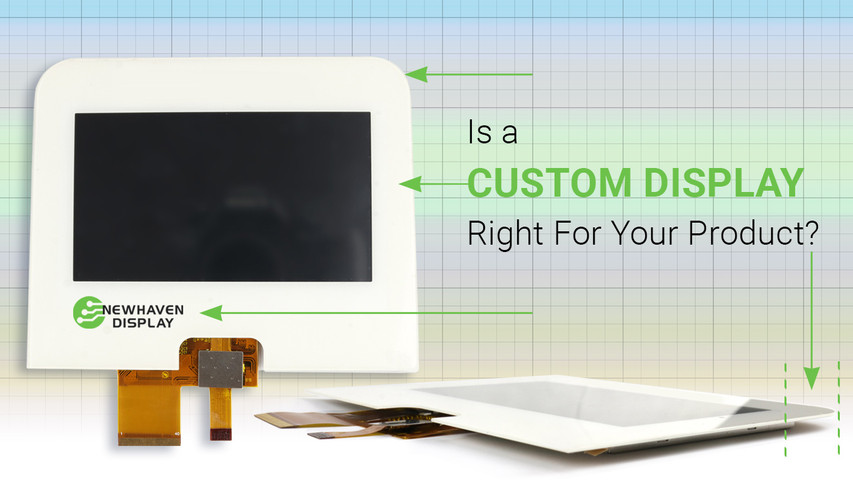
貴社の製品にはカスタムディスプレイが適していますか?
2026年4月13日
Displays shape how users interact with modern equipment, making them an important part of product design in many industries. In many products, the display is the main point where users read information, adjust settings, or monitor performance. When standard modules do not match the mechanical design, performance targets, or interface needs of a product, a custom TFT, LCD, or OLED display becomes a practical solution.
Companies developing medical devices, industrial systems, and specialized electronics frequently look at custom display options early in product development. A display designed specifically for the application can improve usability, fit cleanly into the product housing, and support long production lifecycles.
この記事の中で
- When a Custom Display Makes Sense
- Overview of Display Technologies Available for Custom Designs
- Key Design Factors in Custom Display Development
- The Custom Display Engineering Process
- Manufacturing and Quality Considerations
- Custom Displays for Regulated and Specialized Industries
- Cost, Lead Time, and Volume Considerations
- Custom Display vs. Standard Display: A Comparison
- How to Determine If a Custom Display Is Right for Your Product
- Partnering With Newhaven Display for Custom Solutions
When a Custom Display Makes Sense
Standard display modules work well for many products. However, certain design requirements make customization the better option.
Product housings do not always match the dimensions of off-the-shelf displays. A custom display can align with the exact outline, viewing area, and mounting points required for the device. Specific brightness levels, viewing angles, or graphical layouts may also be required to present information clearly.
Environmental conditions can also influence the decision. Equipment used outdoors or in industrial settings may require higher brightness levels, wider temperature ranges, or added durability.
Overview of Display Technologies Available for Custom Designs
Custom display development typically involves three main technologies: TFT, LCD, and OLED. Each offers different advantages depending on the visual requirements, power considerations, and design goals of the product.
Custom TFTs
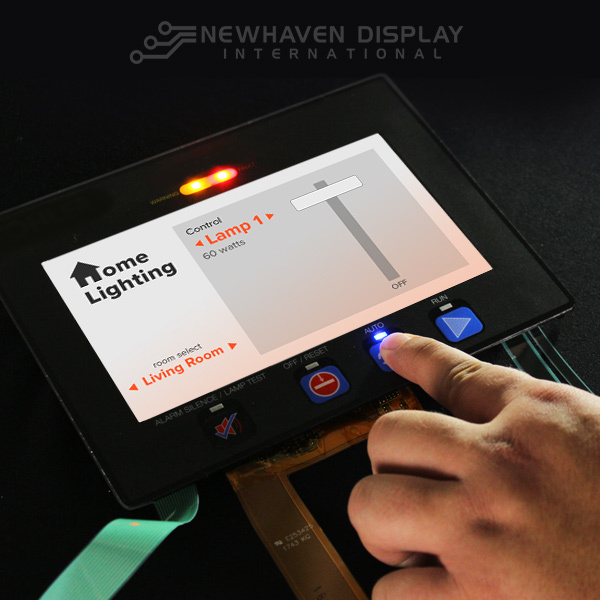
Custom Thin-Film Transistor (TFT) displays are used in products that require full-color graphics and clear visual detail. They work well for user interfaces that present complex information or graphical menus.
Customization can include display size, resolution, brightness, interface type , cover glass, mounting, module types (EVE, HDMI, etc.), and touch integration. These adjustments allow the display to align closely with the product’s mechanical design and visual requirements.
Custom LCDs
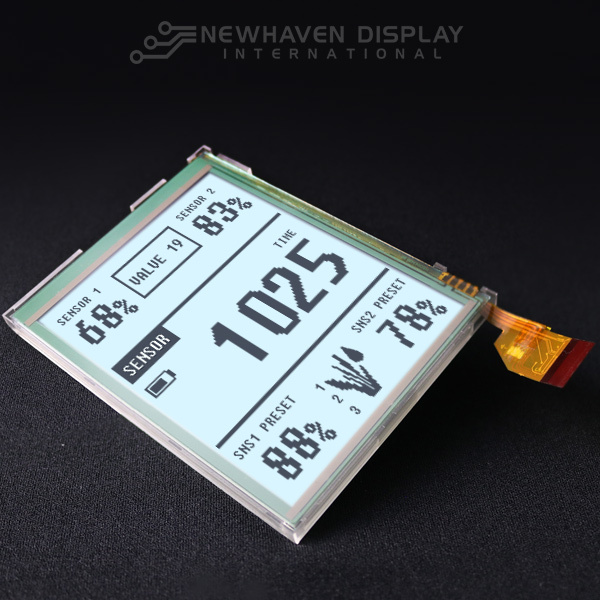
Custom LCDs are commonly used in products that display characters, symbols, or simple graphics. They are known for low power consumption and clear readability, which makes them well-suited for handheld devices, industrial controls, and measurement equipment.
Design options include custom segment patterns, character layouts, backlighting configurations, display colors (backlight and screen), and viewing angles. These elements can be tailored so the display presents information exactly how the device requires.
Custom OLEDs
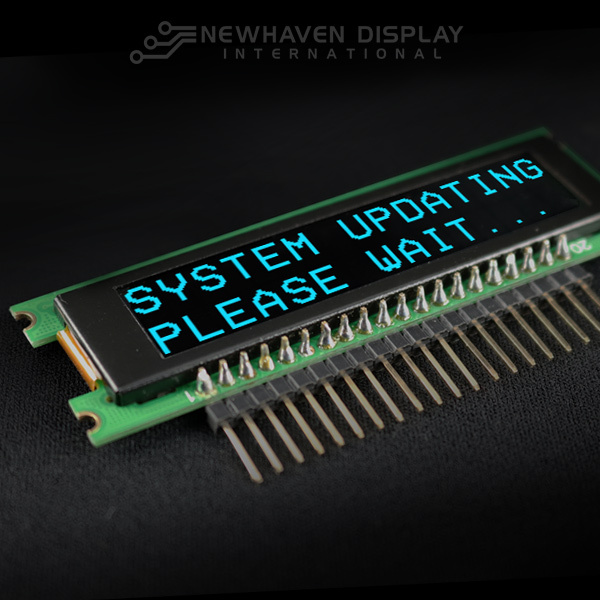
Custom OLED displays are selected for applications that require high contrast and sharp visuals. Because each pixel emits its own light, OLED technology produces deep blacks and strong visibility in low-light environments.
Customization may include display size, color configuration, interface type, and layout design. This flexibility makes OLED displays a strong fit for products that require clear graphics, compact form factors, or distinctive visual presentation.
Capabilities of Custom TFT Displays - [Video]
Key Design Factors in Custom Display Development
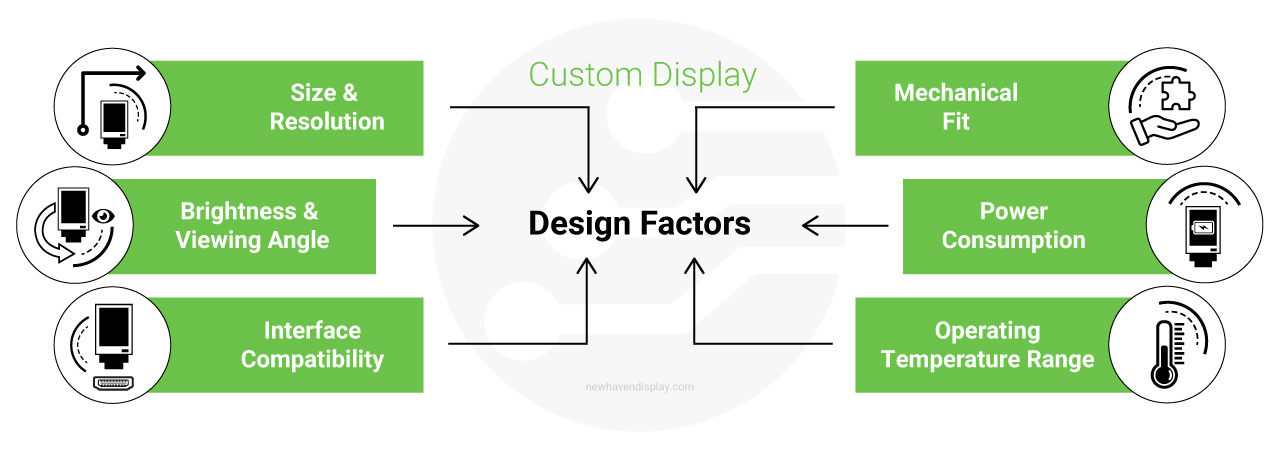
Several technical factors influence how a custom display is designed. Engineers typically evaluate the following early in development:
- Display size and resolution to match the information being presented
- Brightness and viewing angle for readability in the intended environment
- Interface compatibility with the system’s electronics
- Mechanical fit within the product housing and mounting structure
- Power consumption and operating temperature range for the application
Addressing these factors early helps engineers avoid mechanical conflicts, interface limitations, or readability issues later in development.
The Custom Display Engineering Process
Custom display development begins with a review of the product requirements. Engineers evaluate factors such as display size, interface compatibility, operating environment, and visual performance targets.
From there, the display design takes shape through component selection, electrical configuration, and mechanical layout. Prototypes are typically produced to confirm fit, functionality, and visual performance within the device.
Manufacturing and Quality Considerations
Manufacturing planning plays a major role in custom display development. Production methods, material selection, and component sourcing all influence consistency and long-term availability.
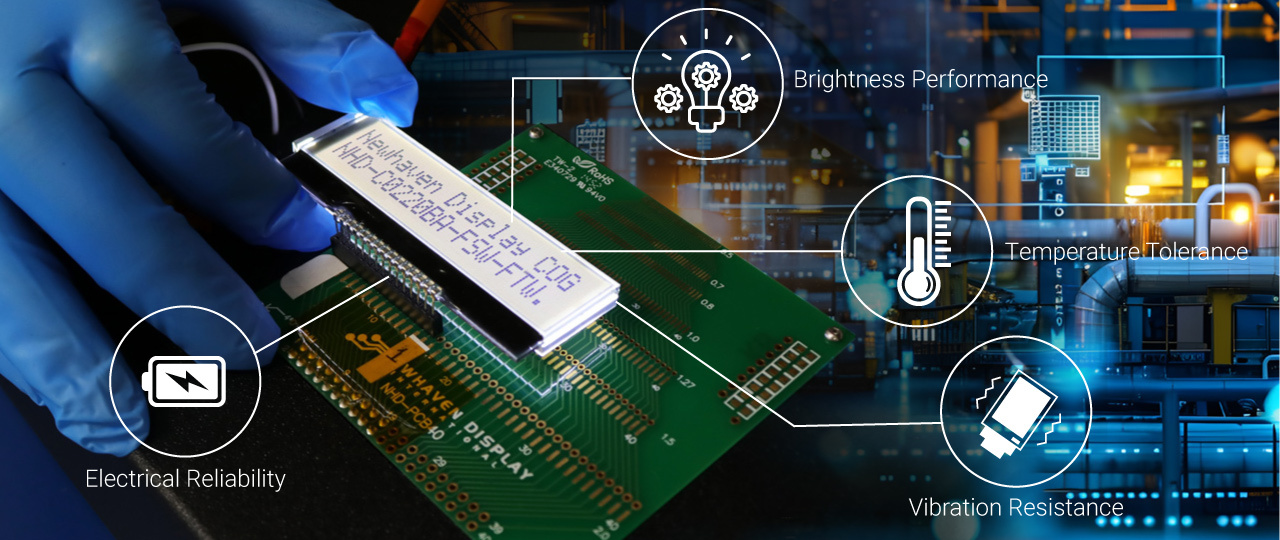
Quality testing is another key part of the process. Displays may undergo evaluations for brightness performance, temperature tolerance, vibration resistance, and electrical reliability.
For products used in regulated or industrial environments, displays are designed to meet established quality systems and certification requirements.
Careful attention to manufacturing and quality standards helps maintain consistent performance across production volumes.
Custom Displays for Regulated and Specialized Industries
Many industries require displays that meet strict reliability and compliance standards. Medical devices, industrial equipment, transportation systems, aerospace, and military applications often operate in environments where performance and durability must meet defined specifications.
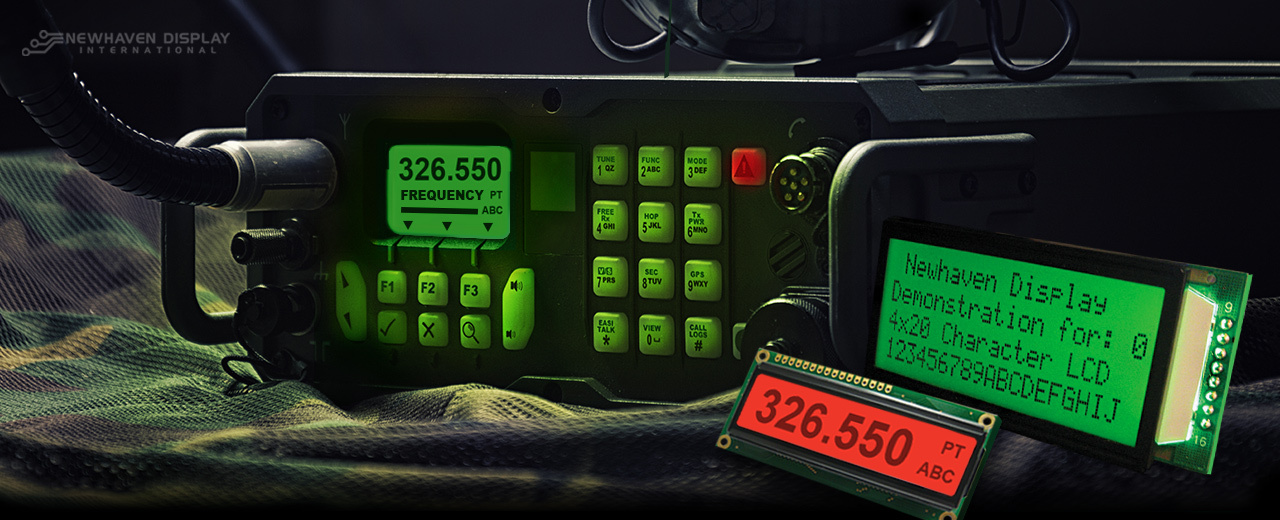
Custom displays allow manufacturers to address these requirements during the design phase. Factors such as operating temperature ranges, brightness levels, and long product lifecycles can be tailored to match the application. Specialized features, such as NVIS (Night Vision Imaging System) compatible backlighting for military and aerospace applications, can also be integrated to meet specific operational requirements. Working with a display manufacturer familiar with regulated industries helps product teams align display design with certification and quality expectations.
Cost, Lead Time, and Volume Considerations
Cost, development timelines, and expected production volume are key considerations during custom display planning. Custom displays require engineering work, prototyping, and manufacturing setup, which typically results in longer lead times than standard modules.
Production quantity can also influence the decision. Custom displays are commonly used in products designed for steady manufacturing runs or extended product lifecycles.
Reviewing these factors early helps product teams align display performance goals with project budgets and production schedules.
Custom Display vs. Standard Display: A Comparison
Standard displays provide a practical starting point for many products. They are readily available, easier to source, and typically move through procurement quickly.
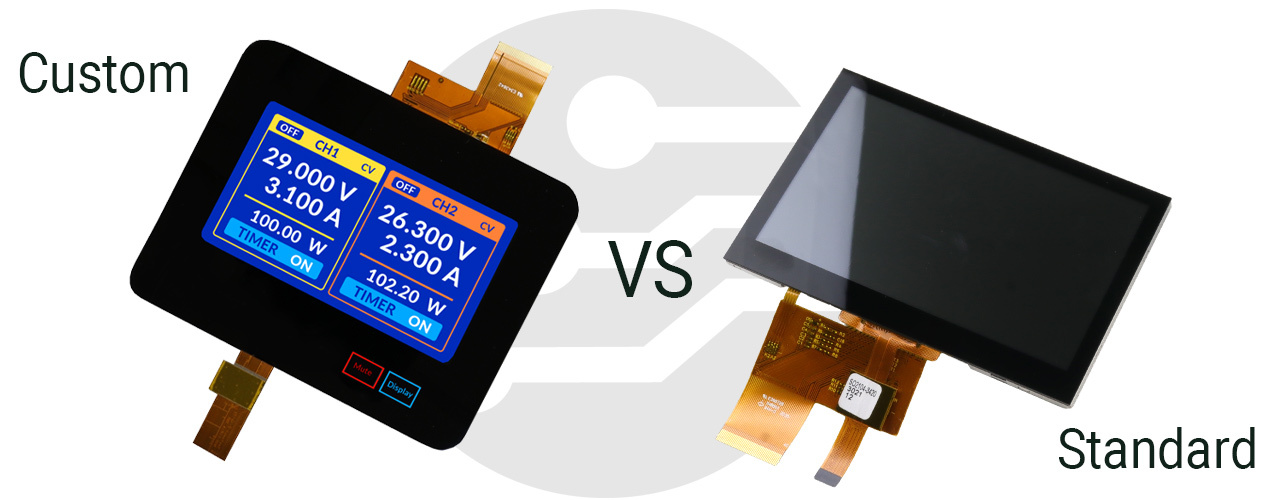
Custom displays, on the other hand, are developed to match the specific design and performance requirements of a product. This approach allows manufacturers to define elements such as display size, interface configuration, brightness levels, and visual layout.
The decision between standard and custom displays usually comes down to product design priorities. When an off-the-shelf module fits the application, it can simplify development. When it does not align with the product’s requirements, a custom display provides greater design control.
How to Determine If a Custom Display Is Right for Your Product
Choosing a display solution usually starts with a review of the product design. Engineers examine the available space, the type of information the interface must present, and the environment where the device will operate.
Teams also consider long-term production plans. Products intended for extended lifecycles or specialized equipment may benefit from a display designed specifically for that application.
A clear understanding of the product’s interface requirements, environmental conditions, and production goals helps determine if a custom display provides meaningful advantages.
Partnering With Newhaven Display for Custom Solutions
Developing a custom display requires careful alignment between product design, performance expectations, and long-term manufacturing goals. A clear understanding of these factors helps the display integrate smoothly into the final product.
Newhaven Display develops custom TFT, LCD, and OLED displays designed around the specific requirements of each application. Customization can include adjustments to size, resolution, brightness, interface configuration, and touch integration.
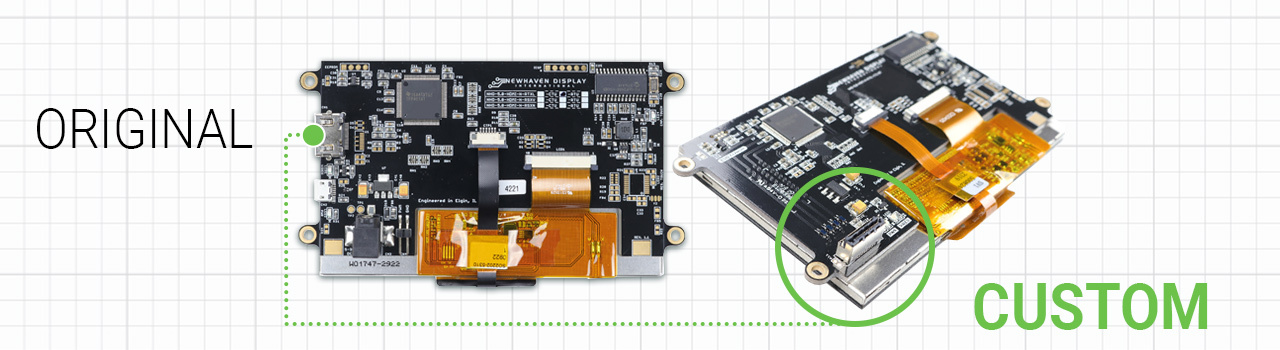
Depending on the needs of the project, two development paths are available. A fully custom display is engineered to match the product’s mechanical design, electrical requirements, and visual performance goals. For applications that require a faster turnaround, value-added services can modify existing display modules with options such as custom cables, interface boards, or optical enhancements.
Working with an experienced display manufacturer helps simplify the development process and provides greater confidence in long-term performance and availability.
If you are exploring display options for a new product or redesign, contact our team to discuss your requirements or request a custom display solution.