


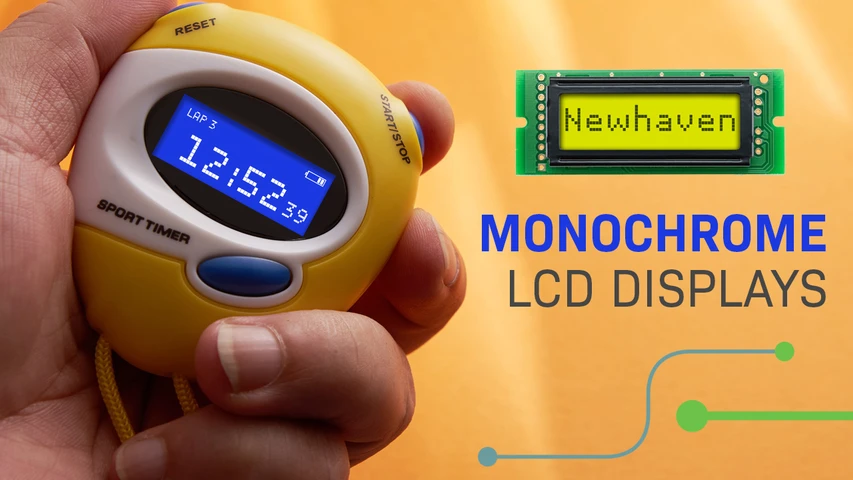
How Monochrome LCD Displays Work & When to Use Them
Oct 2nd 2026
The best display is rarely the one that does the most. It is the one that communicates the right information clearly, operates reliably in its intended environment, and fits the product without adding unnecessary complexity.
That is where monochrome LCD displays continue to earn their place. For products centered on text, measurements, status information, symbols, or simple graphics, they can provide a practical balance of readability, power consumption, reliability, and integration cost. The key is knowing which monochrome LCD technology and configuration fit the application.
What Is a Monochrome LCD Display?
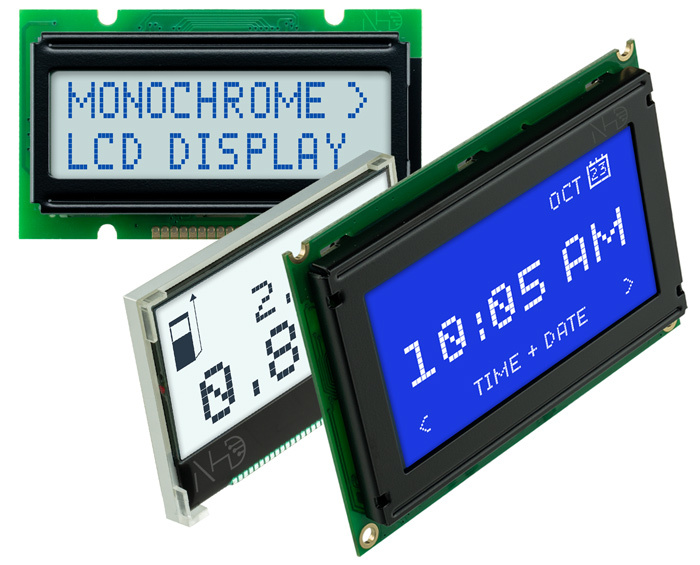
A monochrome LCD display presents information using a limited color scheme rather than full-color imagery. The liquid crystal layer controls how light passes through individual areas of the display, creating visible characters, symbols, numbers, or graphics against a contrasting background.
Monochrome does not mean every display works the same way. Some modules show predefined characters, while others provide pixel-level control for custom graphics. Segment displays illuminate specific shapes or symbols. Optical characteristics can vary too, affecting contrast, viewing direction, lighting needs, and performance in different environments.
How Monochrome LCD Display Technology Works
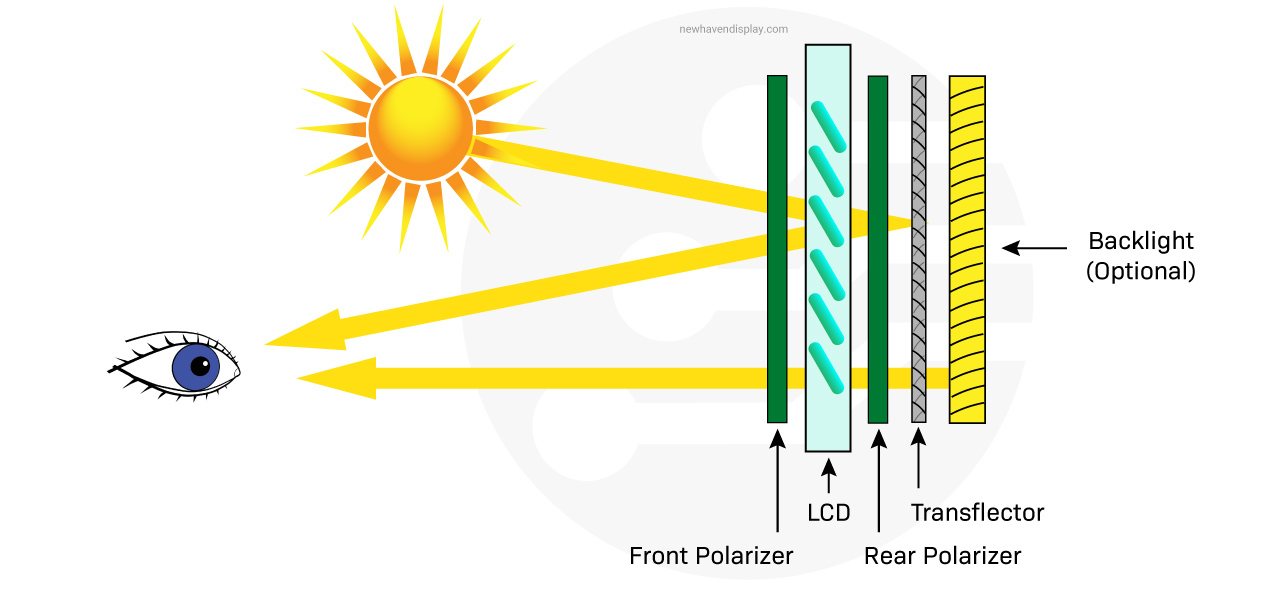
A monochrome LCD uses liquid crystals to control light and make information visible on the screen. Applying an electrical signal changes the orientation of the liquid crystals, which changes how light passes through the display’s polarizing layers. This creates the contrast that forms characters, pixels, or segments.
The display itself does not produce light. Depending on its configuration, it can use ambient light, a backlight, or a combination of the two. This distinction matters in product design. A display intended for bright environments may benefit from reflected ambient light, while another application may require a backlight for reliable visibility in low-light conditions.
The basic principle is straightforward, but choices in LCD technology, optical mode, and illumination have a direct effect on readability, power use, and where the finished product can perform effectively.
Types of Monochrome LCD Displays
Monochrome LCD displays generally fall into three formats: character, graphic, and segment. Each provides a different level of control over how information appears, making the type of information users need to see a useful starting point for selection.
Character LCD Displays
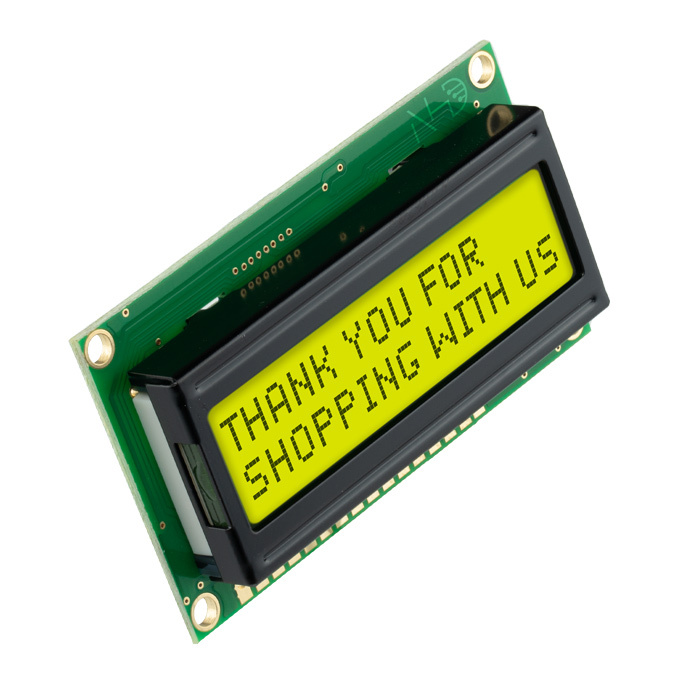
Character LCD displays are designed to present letters, numbers, and predefined symbols in a fixed grid, such as 16 characters across two rows. This format works well when users need clear, predictable information rather than detailed graphics.
Common uses include equipment settings, measurements, menus, status messages, and operating instructions. Since the character structure is already defined, these displays can also simplify development when a product does not need pixel-level control over the screen.
Graphic LCD Displays
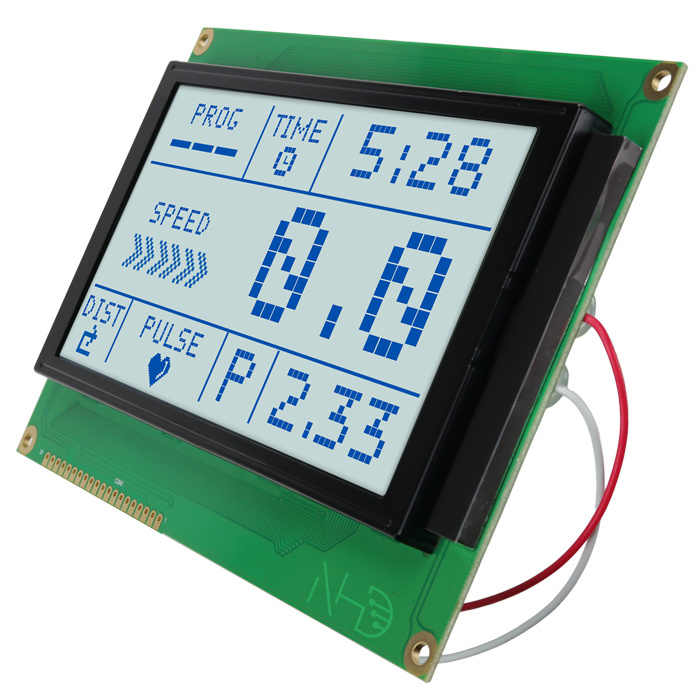
Graphic LCD displays use a matrix of individually controlled pixels, giving designers more freedom over what appears on the screen. They can present custom icons, diagrams, logos, text, and other visual elements that do not fit a fixed character grid.
This flexibility makes graphic LCDs useful for interfaces that need more visual detail while retaining the practical advantages of monochrome technology. Resolution becomes an important consideration, since a higher pixel count allows for finer graphics and more detailed layouts.
Segment LCD Displays
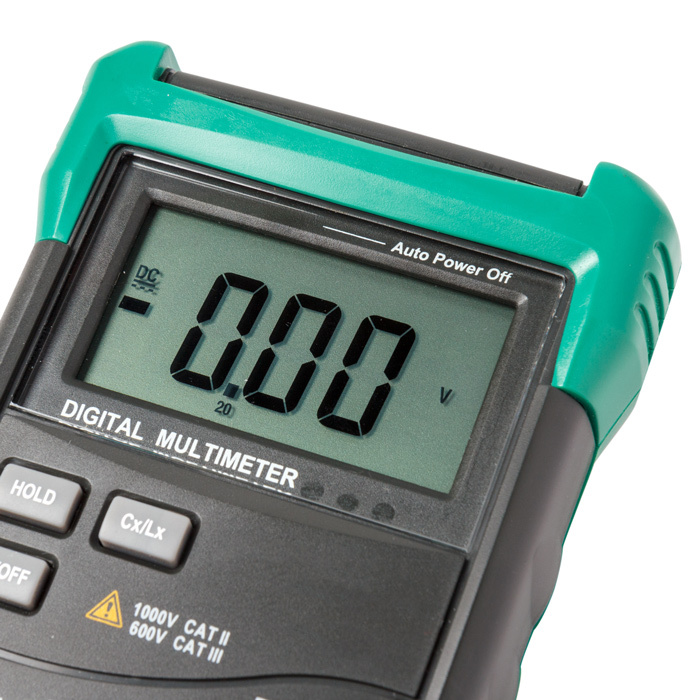
Segment LCD displays use predefined shapes that turn on or off to present specific information. Familiar examples include numbers, indicators, icons, units of measurement, and status symbols.
Their focused design makes them a strong fit for products that repeatedly show a limited set of information, such as meters, control panels, timers, and measurement equipment. Since the display only needs to control predetermined segments, it can provide a simple, power-conscious solution when a more flexible character or graphic format would add unnecessary complexity.
Common Monochrome LCD Display Technologies
The technology behind a monochrome LCD influences characteristics such as contrast, viewing angle, appearance, and cost. Three common technologies are TN, STN, and FSTN.
TN (Twisted Nematic) is a straightforward LCD technology often suited to applications that prioritize simplicity and cost-conscious design.
STN (Super Twisted Nematic) expands on TN technology and can provide improved contrast and wider viewing characteristics, making it useful when information needs to remain readable from a broader range of positions.
FSTN (Film Compensated Super Twisted Nematic) adds a compensation film to STN construction. This can improve contrast and produce a more neutral background, supporting applications where display clarity is a higher priority.
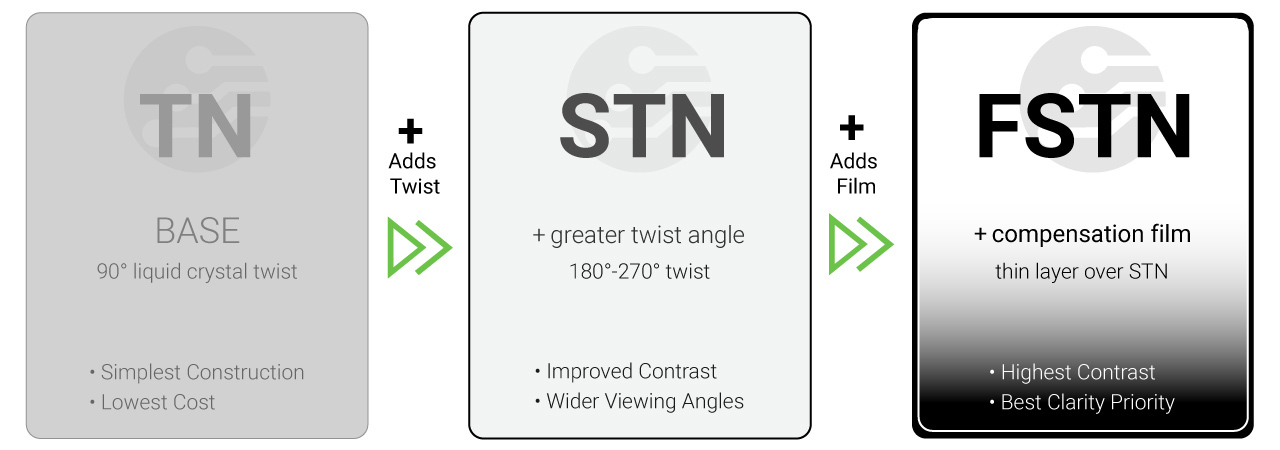
Choosing among these technologies comes down to the product’s actual viewing conditions and performance needs. Paying for capabilities the application will not use can add unnecessary cost, while choosing too narrowly can compromise readability.
Key Features and Benefits of Monochrome LCD Displays
For the right application, a monochrome LCD can provide practical advantages in power consumption, readability, reliability, design flexibility, and production cost.

Low Power Consumption
Monochrome LCDs require relatively little power because their liquid crystals control light rather than generate it. Reflective configurations can use ambient light without a continuously powered backlight, making them practical for battery-powered devices, portable equipment, meters, and other energy-conscious designs.

Clear, High-Contrast Readability
Monochrome LCDs use a limited color scheme to create a clear distinction between displayed information and its background. This can make text, measurements, symbols, and status indicators easy to identify at a glance, especially in interfaces where quick interpretation matters.

Long-Term Reliability
The relatively simple operation of monochrome LCDs makes them well suited to products expected to provide consistent information over long service periods. For industrial, medical, measurement, and control equipment, this can make monochrome technology a practical choice when dependable operation matters more than advanced visual features.

Flexible Display Sizes and Configurations
Monochrome LCDs are available in a range of sizes, formats, viewing modes, and backlight options. This flexibility helps engineers match the display to available space and user needs without adding capabilities that provide little value to the finished product.

Cost-Effective Integration for High-Volume Applications
When an interface only needs text, measurements, symbols, or simple graphics, a monochrome LCD can avoid the added components and processing requirements of a more complex display. At higher production volumes, choosing only the functionality the product needs can help control component and integration costs.
Monochrome LCD Displays vs. Color Displays
Color is valuable when it helps users interpret information, navigate an interface, or understand detailed graphics. When the display primarily communicates measurements, settings, alerts, or status information, that added capability may serve little purpose.
Good display design starts with the information users need, then selects the technology that communicates it effectively. In many focused interfaces, a monochrome LCD provides exactly the level of visual information the product requires.
When to Use a Monochrome LCD Display
A monochrome LCD is a strong choice when the user needs information more than visual richness. Think readings, settings, operating states, prompts, or simple graphics that need to remain clear and easy to interpret.
The decision becomes especially compelling when power use, available space, straightforward integration, or production cost carries significant weight. If color does not improve how users interpret the information, a monochrome LCD can keep the interface focused and the design efficient.
Common Applications for Monochrome LCD Displays
Monochrome LCDs are commonly found in industrial controls, medical and laboratory equipment, test and measurement devices, automotive systems, meters, and other products where users need clear information at a glance. The format can vary according to the task: a character LCD may present equipment settings, a graphic LCD can support icons and diagrams, and a segment LCD can provide dedicated readings or status indicators.

What to Consider When Choosing a Monochrome LCD Display
Size, Viewing Area, and Resolution
Consider how much information users need to see and the space available for the display. Character count can shape character LCD selection, while graphic LCDs need enough resolution for clear text, icons, and graphics. Account for both overall module dimensions and the usable viewing area.
Viewing Angle, Contrast, and Backlighting
Viewing position and ambient light directly affect readability. Consider viewing direction, positive or negative mode, and illumination needs. Reflective displays use ambient light, transmissive displays rely on a backlight, and transflective displays can use both.
Operating Temperature, Interface, and Controller Requirements
Confirm that the display can operate across the product’s expected temperature range. Interface and controller compatibility should also fit the planned electronics, helping limit additional components and integration work.
Standard vs. Custom Monochrome LCD Displays
A standard monochrome LCD can simplify development when an existing size, format, interface, and optical configuration fits the product.
Custom development becomes useful when mechanical, optical, or electrical requirements call for a more specific solution. Dimensions, interfaces, backlighting, viewing characteristics, and other features can be tailored to improve fit, performance, or integration.
Explore Monochrome LCD Display Solutions from Newhaven Display
A well-chosen display should make the finished product easier to use, not introduce capabilities that add little value. That means starting from the information users need to see, the environment they will see it in, and the technical requirements of the design.
Newhaven Display offers monochrome LCD solutions across character and graphic formats, plus customization options for projects that require specific mechanical, optical, or electrical characteristics. Explore our LCD solutions or contact our team to discuss a custom display solution for your application.